Are you planning a custom estate in Pinecrest and want to get it right from day one? Buying a lot here is an exciting move, but the smartest buyers confirm what they can build, what it will cost, and how long approvals will take before they close. In this guide, you’ll learn the essential due diligence steps to protect your investment and streamline your build. Let’s dive in.
Pinecrest estate lot basics
Pinecrest sits within Miami‑Dade County and follows the Village of Pinecrest Land Development Code and Comprehensive Plan, along with applicable county and state rules. Most properties are single‑family residential with larger lots and a mature tree canopy. What you can build depends on your lot’s zoning, setbacks, and any private covenants on title.
Before you design anything, confirm the parcel’s zoning district and the allowed uses, height, setbacks, lot coverage, and accessory structures. Some neighborhoods have private architectural review rules that are tighter than municipal code. These factors shape your footprint, pool placement, guest house options, and overall budget.
Zoning shapes what you can build
Start by identifying the parcel’s specific Village zoning designation. This determines minimum lot size, building height, setbacks, floor area or impervious coverage, and subdivision rules. If your vision conflicts with the code, a variance may be possible, but it requires public hearings and time.
Also review any deed restrictions, plat notes, and HOA covenants. Many Pinecrest areas have architectural review boards with standards for design, materials, or tree removal. Plan for both municipal and private approvals in your schedule.
Survey first, then design
Order an ALTA/NSPS boundary and topographic survey from a licensed surveyor. Ask for:
- Boundaries, corners, and legal description
- Easements, rights‑of‑way, and any encroachments
- Existing improvements, fences, and walls
- Utility locations if known
- Topography with spot elevations and contours
- Major tree locations and canopy limits
Use the survey with your architect to calculate the true buildable envelope after applying setbacks, easements, flood requirements, and private restrictions. An ALTA survey is also a common lender and title requirement.
Flood, elevation, and drainage
Check FEMA Flood Insurance Rate Maps to confirm your flood zone and any base flood elevation that may apply. If the lot is in a Special Flood Hazard Area, expect rules on finished floor elevation, foundation type, and likely flood insurance requirements. Lenders and insurers often request an elevation certificate during design or after grading.
Pinecrest terrain is generally low and gently sloped. Small elevation changes matter for drainage and where water collects during heavy rain. Your civil engineer should assess on‑site retention or detention needs and how the design will meet local stormwater quantity and quality standards.
Soil and groundwater realities
Order a geotechnical investigation tailored to your proposed structure. The report should cover soil bearing capacity, depth to groundwater, presence of fill or organic materials, and foundation recommendations. In South Florida, shallow groundwater and variable soils can drive decisions like deep foundations or pilings, especially for larger homes.
If sewer is not available, septic feasibility depends on soils and health department rules. Confirm early whether septic is allowed or whether you must connect to sewer when service becomes available.
Trees and environmental checks
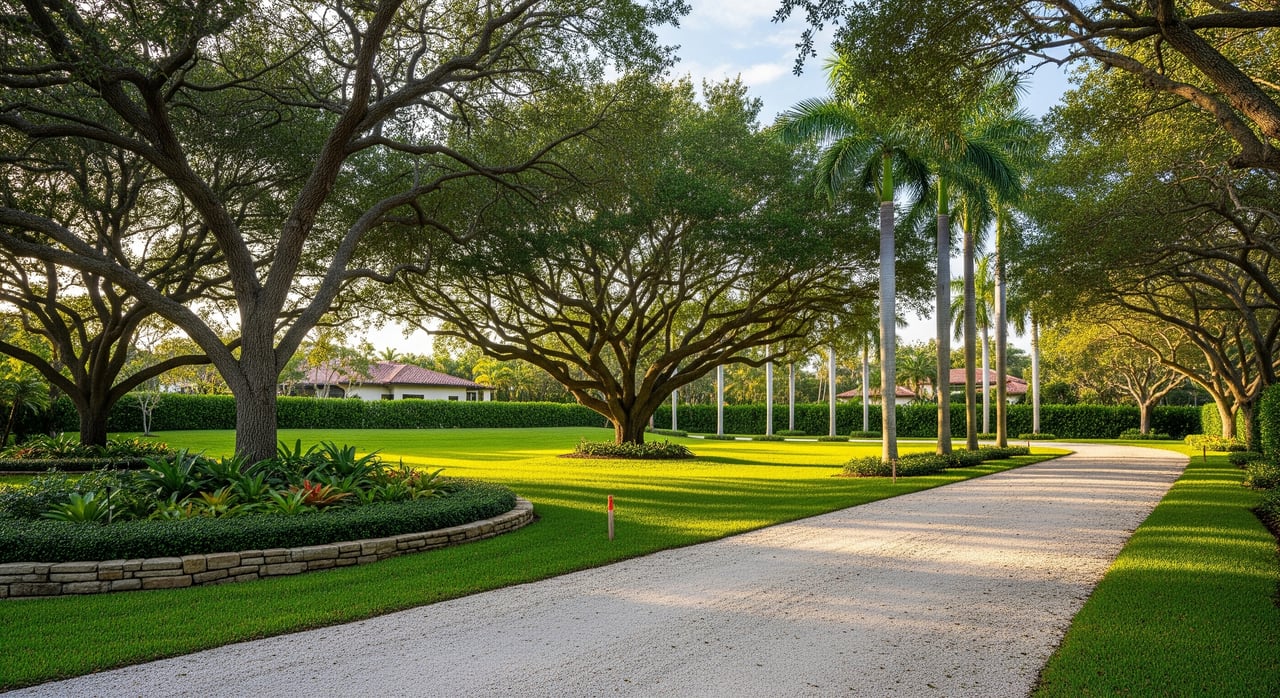
Pinecrest protects its tree canopy. Identify specimen or heritage trees, preservation zones, and any required tree‑removal permits and mitigation. An arborist’s survey and protection plan can save time and help you plan driveways, pools, and outdoor areas around existing trees.
Confirm there are no regulated wetlands or environmental overlays on or near the property. Review historical aerials and available environmental databases if there is any chance of past commercial or industrial use nearby. While uncommon for strictly residential lots, this peace of mind is worth the check.
Utilities and access confirmation
Verify potable water and sanitary sewer availability and capacity in writing from the provider. Connection points and tap fees vary by location. If the property relies on septic today, ask if connection will be required when sewer is extended.
Confirm electrical service capacity and the location of transformers or poles. Large homes may need service upgrades or equipment relocation, which can require easements and time. Also verify legal road access, who maintains any private street, and whether a new curb cut or driveway permit will be approved at your preferred location.
Title, HOA, and permits
Order a title commitment and chain of title from a reputable title company and match it against your ALTA survey. Look closely at:
- Deed restrictions, covenants, and ARB rules
- Utility and drainage easements
- Liens, mortgages, and litigation
- Plat notes and subdivision conditions
Map every recorded item onto the site plan to avoid surprises. Expect permits for building, electrical, mechanical, plumbing, pool, tree removal, and driveway/curb cuts. Some matters may require county or regional coordination in addition to Village approvals. If your design does not meet code, a variance or special exception will add weeks or months.
Budget beyond the purchase price
Plan for total project costs, not just land. Your budget should include:
- Demolition or site clearing
- Tree mitigation and landscaping
- Grading, fill, retaining, and drainage improvements
- Utility connections, tap fees, and capacity upgrades
- Foundation solutions based on the geotechnical report
- Permits, impact fees, and professional design fees
- A contingency for unseen conditions
Also factor in South Florida hard costs for hurricane‑rated systems and possible elevated slabs if flood rules apply. These items can shift budgets compared to other markets.
Financing, insurance, and taxes
For construction‑to‑perm loans, lenders typically require stamped plans, a detailed budget, builder qualifications, permits, an ALTA survey, and flood elevation data when relevant. Property taxes are assessed by Miami‑Dade County, and special assessments may apply, so review current tax history before closing.
Budget for wind and hurricane insurance and, if applicable, flood insurance. Premiums depend on design features, elevation, and mitigation measures. If you finance, flood coverage may be required in higher‑risk flood zones.
A practical timeline
Each property is different, but a logical sequence looks like this:
- Pre‑offer: Review zoning and covenants, check flood maps, confirm utilities, and study any available survey sketches.
- Contract with contingencies: Include survey, title, physical inspections, permit feasibility, financing, and appraisal contingencies.
- Under contract: Order the ALTA/NSPS survey and geotechnical report, complete a tree assessment, confirm water and sewer capacity in writing, and start schematic design and zoning confirmation with the Village.
- Permits and approvals: Plan for months, not weeks, especially if an ARB review or variance is required. Regional or environmental approvals can add time.
Red flags to spot early
- Uncertain or unavailable sewer connection
- Encroachments or boundary conflicts visible on site
- Protected specimen trees within the planned building footprint
- Flood zone constraints requiring elevation or special foundations
- Drainage easements that limit pool or driveway placement
- Utility equipment that needs relocation
- HOA or ARB standards that conflict with your design vision
- Unrecorded liens or unresolved title issues
- Fill soils or potential contamination that require remediation
Your due diligence team
Assemble your core team early. A strong bench includes a Florida real estate attorney, licensed surveyor, civil engineer, geotechnical engineer, architect with Pinecrest experience, arborist, environmental consultant when needed, a seasoned title company, and, if helpful, a local permitting expediter. Coordinate them around the ALTA survey and geotechnical timeline so your design and approvals move in step.
Next steps
If Pinecrest is the right setting for your custom estate, protect your time and capital with disciplined due diligence. Verify zoning and covenants, lock down utilities in writing, map the buildable area with an ALTA survey, test soils, plan for tree protection, and budget for drainage, permits, and fees. With the right plan and team, you can design with confidence and move through approvals efficiently.
For a discreet, design‑aware advisory process and introductions to trusted local professionals, connect with The MGM Team Luxury Real Estate. Schedule a Private Consultation.
FAQs
What makes an ALTA survey essential in Pinecrest?
- It documents boundaries, easements, and improvements to lender and title standards, so you can define the true buildable area before design.
How do I confirm sewer service for a Pinecrest lot?
- Request written confirmation of connection points, capacity, and tap fees from the utility provider; do not rely on verbal assurances.
Do I need an elevation certificate to build?
- If your lot is in or near a FEMA Special Flood Hazard Area, lenders and insurers often require an elevation certificate tied to your final design.
How long do permits take for a new home?
- Expect months rather than weeks, especially if an architectural review or variance is needed; regional reviews can add more time.
What are typical costs beyond land price?
- Site work, drainage, tree mitigation, geotechnical‑driven foundations, impact and tap fees, permits, professional design fees, and a contingency.
Can protected trees limit my site plan?
- Yes. Specimen or heritage trees can trigger removal permits and mitigation or require you to adjust the footprint, driveway, or pool location.