You want the ocean at your doorstep without living inside a mega-resort. In Surfside, you can pair five-star service and refined dining with a quieter, resident-first pace. If you are weighing a boutique beachfront address, this guide shows you how Surfside lives day to day, what types of residences to consider, and the practical checks that help you buy with confidence. Let’s dive in.
Why Surfside feels boutique
Surfside is a compact beach town just north of Miami Beach with approximately 0.56 square miles and about 5,600 to 5,700 residents. The small scale shapes everything from traffic to noise and access to the sand. Most housing is condominium living along Collins Avenue and the blocks just west, which reinforces a low-profile, residential vibe rather than a resort strip feel. You get oceanfront convenience with a neighborhood cadence, not a party corridor (Surfside overview).
Along Harding Avenue, the main street spans only a few short blocks with boutiques, cafes, a small grocery, and everyday services. It is one of the most walkable parts of town and gives you quick errands without a car. The Town highlights this intimate, pedestrian core as part of its visitor experience, and on the ground it reads as a calm village center rather than a commercial district that dominates the shoreline (Surfside business district details).
Daily life on the sand
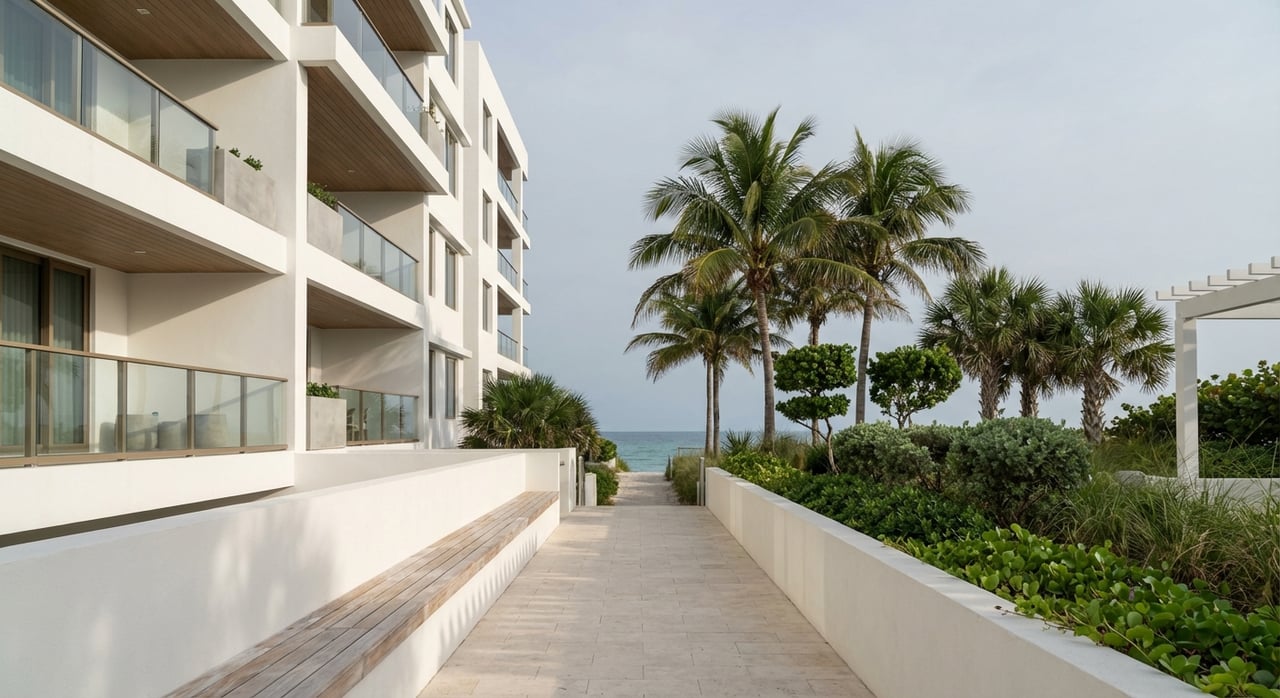
You can move from morning beach walks to an espresso on Harding Avenue within minutes. The Town maintains multiple public beach access points and supports year-round parks and recreation programming anchored by its oceanfront community center. That municipal focus makes the beach feel like your backyard.
Dining has range and character. You will find classic Italian plates, kosher markets and restaurants, and small bistros that match the neighborhood’s easy rhythm. It is the kind of mix where you can dine well without leaving town, and still keep a low profile on weeknights (Surfside dining guide).
Luxury next door, without the scale
Immediately north, you have world-class retail at Bal Harbour Shops. It is a short drive or walk from Surfside’s core, so you can browse global luxury brands and dine at premium restaurants, then return to a quieter beachfront home. You are also a quick drive south to Miami Beach’s cultural and nightlife scene when you want a larger night out, but you do not live inside it (Bal Harbour Shops).
Hotel services, residential privacy
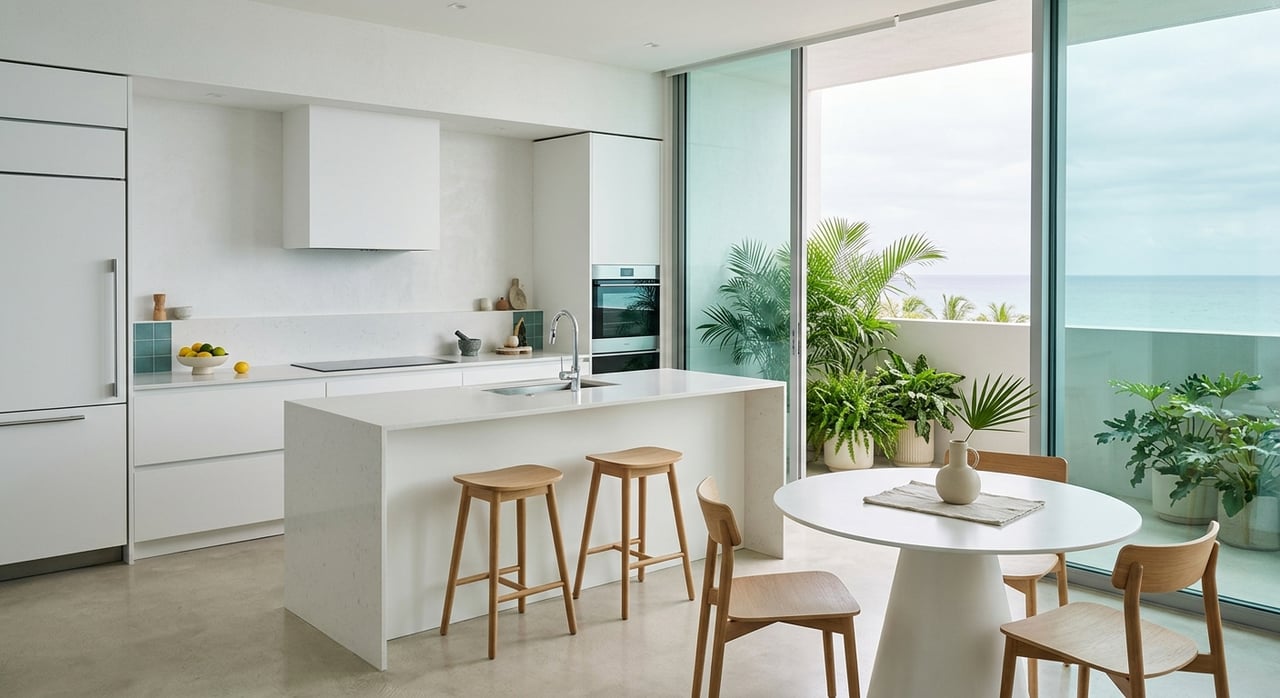
Surfside’s signature example of hotel-level living is The Surf Club under Four Seasons management. Here, private residences sit alongside a boutique Five-Star hotel with refined dining and discreet service. Buyers choose this address for private elevators, housekeeping and in-residence dining options, spa and pool access, and high-touch staff who know you by name. You get the service standard you expect, without the megaclub energy of South Beach (Four Seasons Hotel at The Surf Club).
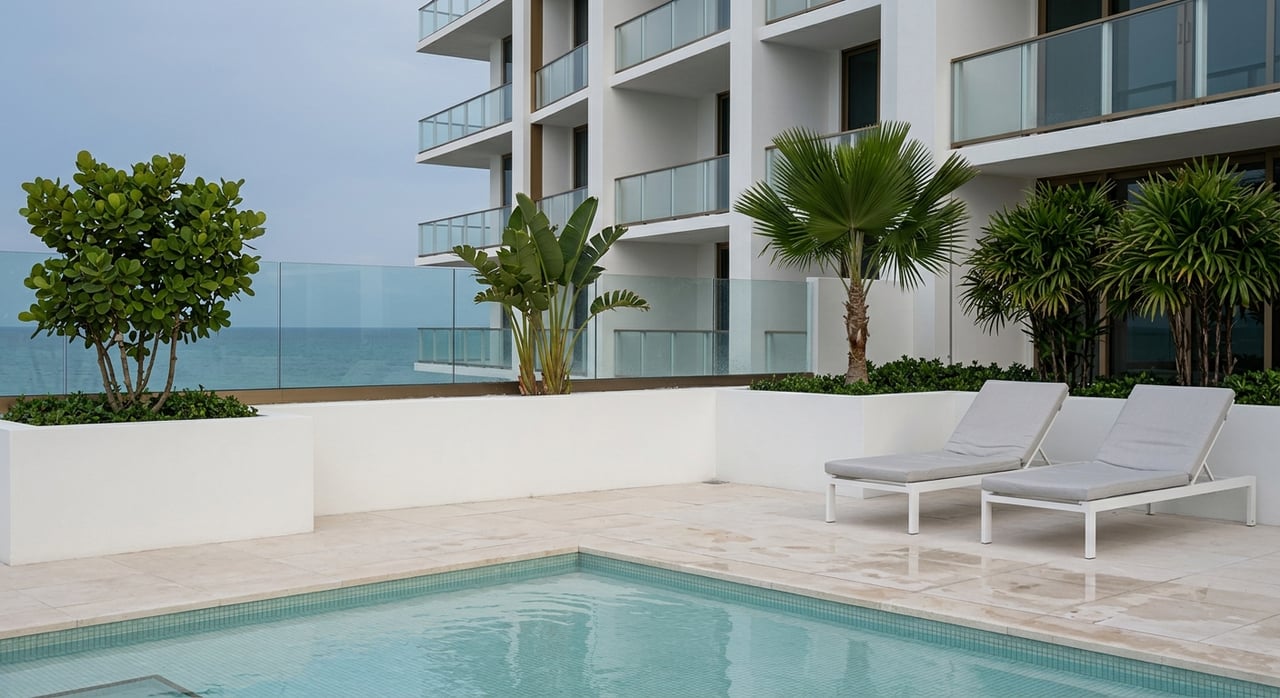
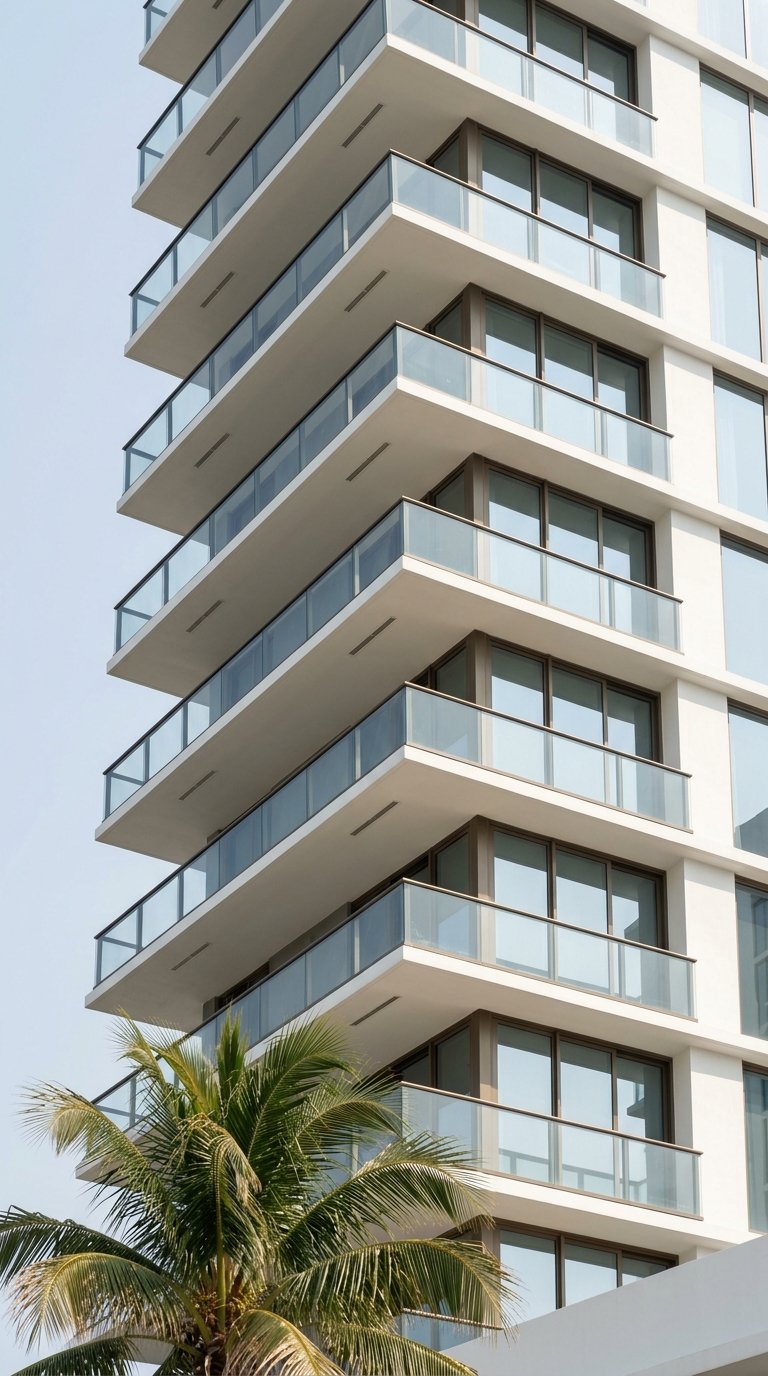
If you prefer pure residential luxury, Surfside also offers boutique oceanfront towers like Fendi Château Residences and other small-footprint buildings known for high finish levels and limited inventory. These properties deliver privacy, design, and direct beach access without the footprint of a large resort campus.
Real estate at a glance
Inventory in Surfside is naturally limited. A small land area, a concentrated oceanfront strip, and strong demand for boutique buildings create scarcity that supports values. Ultra-luxury closings in hotel-branded and boutique oceanfront towers make headlines, while most day-to-day transactions are in well-located, owner-occupied condo buildings where pricing varies by building, line, and floor.
At the top end, expect multi-million-dollar residences and, in rare cases, double-digit million penthouses in trophy properties such as The Surf Club and similar boutique oceanfront buildings. Behind the ultra-luxury tier, older mid-rise condos from the 1960s to 1980s and small low-rise buildings can offer more accessible entry points to the beach lifestyle. Typical home values in the area trend in seven figures, with live market pages providing the most current snapshot (Surfside home values snapshot).
Who Surfside suits
Surfside works well if you want a quiet, low-scale oceanfront village near global luxury retail and top dining. It also appeals to second-home seekers who appreciate hotel services without a nightlife scene outside the lobby. Household data shows a broad mix of ages, with roughly one-third under 18 and nearly one-fifth 65 and older, which reflects multi-generational community life. Median household income sits near the high 80-thousands, consistent with a comfortable, service-rich lifestyle in a compact beach town (Census QuickFacts for Surfside).
Short-term rentals: know the rules
If rental income is part of your plan, Surfside’s local rules are important. The Town requires registration for each short-term rental and caps short-term rental registrations at three per 12-month period for single-family, two-family, multi-family, and townhome units. Registrations include 24/7 local contact and resort-tax compliance. That cap makes Surfside different from some neighboring areas that allow more frequent bookings (Surfside short-term rental rules).
- Bottom line: Surfside can support seasonal use and selective rentals, but it is not structured for frequent turnover. If you want consistent nightly yields, consider how the three-registrations rule affects your model.
What to check before you buy
Buying a condo in a coastal market means pairing lifestyle goals with careful due diligence. Florida strengthened its condo safety and reserve rules after the Champlain Towers South collapse. As a buyer, you want clear, current information before you write an offer.
- Ask for the building’s milestone structural inspection report and its Structural Integrity Reserve Study (SIRS). Florida’s Division of Condominiums outlines these requirements for buildings three or more stories and publishes guidance and forms so buyers and associations know what must be documented (Florida condo rules and guidance).
- Review 12 months of board meeting minutes and any notices of special assessments. This is the cleanest window into upcoming projects and reserve strategy.
- Request the association’s audited financials, current budget, and reserve schedule. Confirm how the SIRS findings are being funded in practice.
- Check the building’s insurance certificates and any recent claims. Ask about premium trends and deductibles.
- Confirm the unit’s flood zone and speak with your insurance advisor about flood policy options and costs relative to elevation and building protections.
- Review building permit history and major repair invoices. You want a record of proactive maintenance, not deferred work.
- If you plan to rent, request the property’s short-term rental compliance records and confirm annual limits with the Town.
Safety, resilience, and long-term planning
The federal investigation into the Champlain Towers South collapse is ongoing. NIST has reported substantial testing and expects to release a draft report for public comment in 2026, with timelines subject to change. Findings from that work are informing best practices and public discussion across the country, which is relevant context for any coastal condo purchase (NIST update on the investigation).
On climate, Southeast Florida’s unified projections anticipate meaningful sea-level rise over the coming decades, including about 10 to 17 inches by 2040. Miami-Dade and regional initiatives are investing in flood mitigation, dunes, seawalls, and pumps. For owners, that translates into evolving building design, insurance considerations, and municipal projects that protect the shoreline over time (Southeast Florida sea-level projections).
- Practical takeaway: add resilience to your buy box. Favor buildings with documented envelope work, proactive maintenance, and clear reserve funding tied to a SIRS. Price-in current insurance realities and verify lender requirements early, since agency-backed loans and condo approvals can vary by building.
Your purchase strategy in Surfside
Surfside rewards preparation. Inventory is tight, and the most coveted lines in boutique buildings move quickly. A focused search, clear criteria, and early document review help you act decisively when the right residence appears.
- Define your lifestyle priorities: hotel services and dining at The Surf Club, a full-floor residence in a boutique oceanfront tower, or a mid-rise condo one block from the sand.
- Decide your service matrix: do you want housekeeping and on-property dining, or a private, low-amenity building with fewer carrying costs.
- Pre-qualify with a local private bank or mortgage partner who understands Miami-Dade condos and building approvals.
- Line up insurance guidance early to understand flood, wind, and master policy interaction with your HO-6 coverage.
- Review all association documents before you negotiate so you can price, structure contingencies, and time your closing with confidence.
How we help you buy well
For high-net-worth and international clients, the difference is access, analysis, and execution. With developer relationships and deep product knowledge across Miami’s premier micro-markets, our team can open doors to on- and off-market opportunities in Surfside’s most coveted towers and hotel-branded residences. We coordinate association document reviews, introduce trusted legal, finance, and insurance advisors, and manage communication to keep your process private and efficient.
If you want floorplans, current availability, or a confidential discussion about The Surf Club Residences or other boutique oceanfront buildings, we will tailor options to your requirements and timeline. When you are ready for a discreet, end-to-end experience, connect with The MGM Team Luxury Real Estate to schedule a Private Consultation.
FAQs
What makes Surfside different from big Miami Beach resorts?
- Surfside offers a compact, residential beachfront with a short, walkable main street and limited-scale buildings, so you get ocean access and dining without a large resort footprint (Surfside overview; Surfside business district).
How expensive are Surfside condos right now?
- Values trend in seven figures across the market, with pricing varying widely by building, line, and floor; check live data for the latest figures (current Surfside home values).
Is Surfside condo safety addressed after Champlain Towers South?
- Florida requires milestone structural inspections and Structural Integrity Reserve Studies for qualifying buildings, and the federal NIST investigation is ongoing with updates informing best practices (Florida condo rules; NIST update).
Can I operate an Airbnb in Surfside?
- Yes with limits: the Town requires registration for each short-term rental and caps registrations at three per 12-month period, plus compliance with local contact and tax rules (Surfside STR rules).
What climate and insurance factors should I plan for in Surfside?
- Plan for flood and wind coverage, understand the building’s master policy, and consider long-term sea-level projections that guide local resilience investments and may influence carrying costs over time (Southeast Florida projections).