Owning a Miami Beach luxury condo should feel effortless, but the real key is understanding what it costs to carry that home year after year. Between full-service amenities, evolving Florida building rules, and coastal insurance dynamics, the numbers behind the lifestyle can vary widely by building. If you plan ahead, you can enjoy the best of Miami Beach while protecting your investment. This guide gives you a clear, Florida-specific framework to budget, compare buildings, and spot red flags before you buy. Let’s dive in.
What carrying costs include
Carrying costs fall into four buckets. Some are predictable every month. Others are cyclical or triggered by events. Knowing which is which helps you build a complete, realistic budget.
Association dues and operations
Your association dues fund day-to-day operations. Typical line items include management, janitorial services, elevator and mechanical contracts, common-area utilities, building staff, the association’s master insurance, and reserve contributions. The association’s annual budget and official records define what is included, so review them closely under the Florida Condominium Act requirements for records and budgets. You can confirm what associations must disclose in Chapter 718.111 of the Florida Condominium Act.
Reserves and special assessments
Reserves cover major replacements and repairs over time. In Florida, the Structural Integrity Reserve Study (SIRS) sets a stronger, legally guided framework for funding key structural items in multi-story buildings. If reserves fall short, boards may consider loans, lines of credit, or special assessments within statutory rules. Chapter 718.112 explains SIRS and reserve funding requirements that directly affect future dues and assessment risk. Review the law on reserves and SIRS when comparing buildings.
Insurance at the building and unit level
The association’s master policy typically covers the common elements and building shell as defined by the condo documents. Unit owners carry their own policies for interior finishes and personal property. Make sure your HO-6 includes loss assessment coverage, which can help if the association allocates part of a covered loss or deductible. Florida law addresses loss assessment coverage requirements for unit owners in Section 627.714.
Utilities and included services
In luxury properties, some utilities and services may be bundled. Central A/C, hot water, basic cable or building Wi-Fi, valet, or beach services can be included in dues, or they may be billed to owners directly. Confirm with the budget and CC&Rs how utilities are allocated, whether by individual meters, square footage, or as common expenses. Chapter 718.111 covers budgeting and disclosure rules that help you see what you are paying for.
Property taxes and local charges
Property taxes are separate from association dues. Your actual tax bill depends on assessed value and local millage rates from Miami-Dade taxing authorities. Before you buy, review recent tax bills and consult your advisor to understand how assessments work for the subject property. Plan for annual property taxes in your operating budget, just as you would for unit-level insurance.
Amenities and building programming
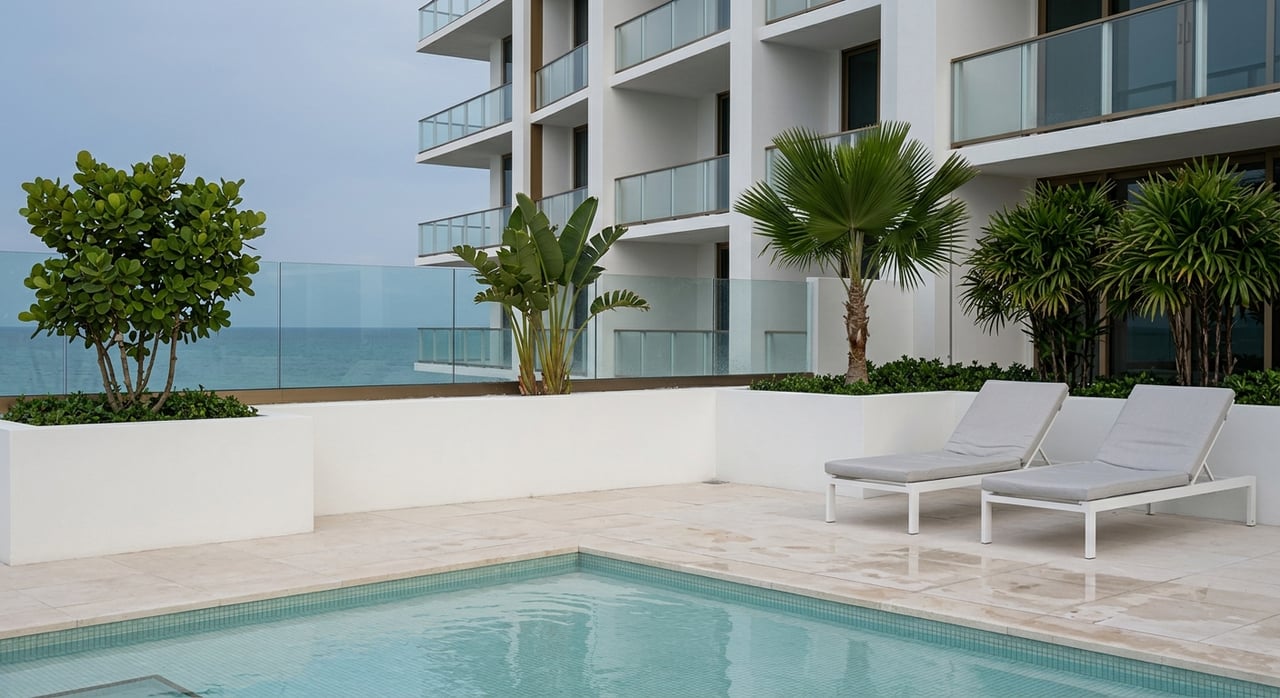
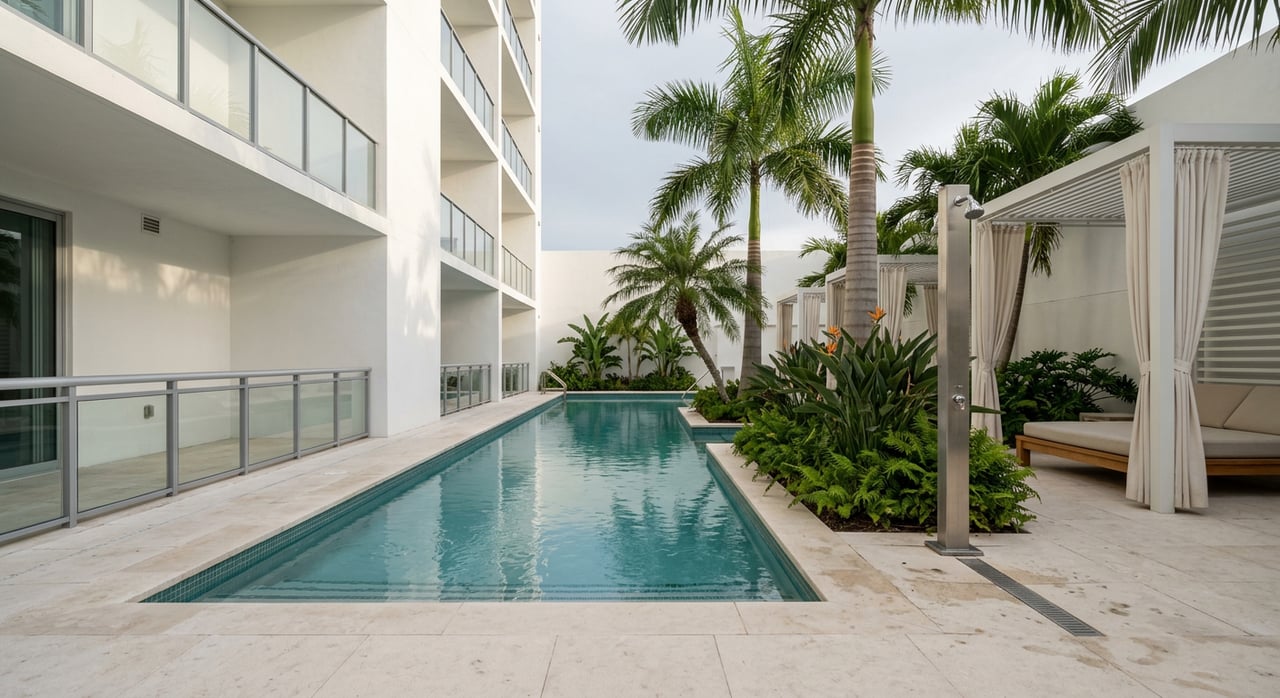
Amenity-rich buildings feel like private resorts. That experience comes with more staff, higher insurance needs, and greater ongoing maintenance. Pools, spas, private restaurants, landscaped grounds, and beach programs increase payroll and equipment upkeep. Some amenities also require periodic capital work that should be captured in reserves.
Florida rules shaping costs
Florida has introduced new building-safety and reserve requirements that materially affect condo budgets and assessments. Miami Beach also has local programs that run alongside state rules.
Milestone inspections and SIRS
Since 2022, Florida’s milestone inspections and SIRS have reshaped how associations plan and fund structural integrity. Recent updates, including HB 913, clarified SIRS content, timelines, and options for financing required work. Expect SIRS findings to influence reserve funding, dues, and the potential for assessments or association borrowing. Review the state’s HB 913 summary for how these changes impact multi-story condos.
Miami Beach recertification program
Miami Beach operates a local recertification process at set age thresholds, then every 10 years thereafter. These reviews can trigger inspections, permits, and repair work, which flow into near-term budgets. Ask for the building’s recertification status and any related reports or completion letters. You can learn more on the city’s building recertification page.
Flood, storm surge, and hurricane exposure
Miami Beach sits in coastal flood zones. If a building lies in a FEMA Special Flood Hazard Area, flood insurance is typically required for federally backed loans and may affect association and owner costs. Sea-level dynamics and updated flood maps can also shift exposure over time. Use Miami-Dade’s flood map tools to check a property’s zone and review any elevation certificates available from the association.
Florida insurance market conditions
The state’s property insurance market has been volatile. Associations may see higher premiums, larger hurricane or windstorm deductibles, and limited private carrier capacity. Buildings with current inspections and funded SIRS can often secure better coverage terms. For market context on association coverage, see this overview of condo association insurance in Florida.
Short-term rental rules and building policies
City and county regulations govern short-term rentals, and many luxury buildings prohibit them. Whether STRs are allowed can influence underwriting, wear-and-tear on amenities, and insurance needs. Always verify city registration and building rules before assuming rental income. For an overview of local compliance topics, review this guide to Miami short-term rental regulations.
Budget framework that works
A simple structure helps you plan with confidence and compare buildings on equal terms.
Ongoing operating items
- Association dues and any bundled utilities or services.
- Unit-level insurance and any riders.
- Property taxes and local charges.
Predictable cyclical capital
- Reserve contributions for structural and major systems.
- SIRS funding schedule and percent-funded metrics for qualifying buildings.
Low-probability, high-impact events
- Association hurricane or wind deductible obligations and loss allocation rules.
- Uncovered losses, major structural repairs identified by milestone inspections, or litigation.
- Confirm your HO-6 includes loss assessment coverage as contemplated by Florida law.
Optional or lifestyle costs
- Private storage, parking assignments, marina slips, club memberships, staff gratuities.
- Housekeeping, in-residence services, or upgrades not included in base dues.
Due diligence checklist to request
Gather these items early. They reveal most of the line items and risks that affect long-term ownership costs.
- Recorded declaration, bylaws, amendments, and house rules. See record-keeping provisions in Chapter 718.111.
- Current annual budget and proposed budget, including reserve line items and insurance costs.
- Recent financial statements, bank statements, and reserve balances.
- The latest reserve study and the Structural Integrity Reserve Study (SIRS), with any DBPR filing receipts and the board’s plan and timeline for recommended work. SIRS requirements appear in Chapter 718.112.
- Master insurance declarations pages, including limits, exclusions, and hurricane/wind deductible; evidence of flood coverage, if applicable.
- Minutes from recent board meetings addressing capital projects, assessments, insurance renewals, or developer turnover.
- Resale certificate or estoppel letter, and any approved or pending special assessments, loans, or lines of credit.
- Any pending litigation disclosures.
- Local recertification and milestone inspection reports, permits, and completion certificates; ask for any “safe to occupy” notices from Miami Beach when applicable. See the city’s recertification page.
- Flood zone determination and any elevation certificates; confirm details using Miami-Dade flood maps.
- DBPR and association filings that confirm inspection and SIRS status; the DBPR portal is the official repository. Check the DBPR condominium resources.
Red flags that warrant deeper review
- No recent SIRS for a qualifying building, or a SIRS that recommends significant immediate work without a clear funding plan.
- Master insurance with a large hurricane or wind deductible, plus low reserves relative to SIRS guidance.
- Frequent special assessments or repeated postponement of reserve funding in recent budgets.
- High delinquency rates on assessments or pending litigation that may strain cash flow.
- Location in a high-risk flood zone without clear flood coverage or visible flood-mitigation planning.
How building traits change costs
Different building profiles produce different cost patterns. Use these scenarios to weigh trade-offs.
Ultra-luxury full-service tower
Expect higher operating dues that include extensive staffing and programming. The convenience can reduce your out-of-pocket spending for services like valet and concierge. You are paying for time savings, privacy, and on-site experiences. Review reserve funding for specialty amenities that require periodic capital work.
Newer high-rise with strong reserves
Early years may show lower immediate capital pressure, but warranty periods can expire and create first-cycle projects. Watch for upcoming milestone or recertification timelines. SIRS items will still need consistent funding to avoid future spikes. Confirm how the board plans to maintain percent-funded targets over time.
Older boutique building with limited units
Smaller resident bases can push per-unit costs higher for fixed staffing and shared systems. If major projects arise, assessments may be more concentrated. Ask for the SIRS schedule, any financing facilities, and the plan to phase work with minimal disruption. Focus on insurance terms and hurricane deductibles.
Waterfront building with marina or beach program
Waterfront exposure can increase flood and wind considerations. Seawalls, garage pumps, and waterproofing programs may drive larger reserves. Amenities like docks or beach services add operating and capital needs. Confirm flood coverage and any elevation certificates with the association.
Smart questions for your lender and the board
- Is the project warrantable for mainstream financing programs? Ask your lender to check current Fannie Mae condo guidance and any FHA/VA requirements that may apply to your situation.
- How are master policy hurricane or wind deductibles allocated to owners after a storm-related loss? Confirm the association’s method in the insurance declarations and bylaws.
- Has the association completed required SIRS and milestone inspections? Request the reports, DBPR filing receipts, and the funding timeline for recommended work through the DBPR condominium portal.
- Are any special assessments, loans, or lines of credit approved or anticipated in the next 12 to 36 months? Ask for board minutes and written notices.
- Which utilities and services are bundled in dues versus billed separately? Compare this across buildings for a true apples-to-apples view.
Next steps
Build your total carrying-cost picture before you sign. Gather the documents above, confirm what your dues include, review SIRS and milestone status, and ask specifically about insurance deductibles and any planned assessments. This approach gives you clarity today and confidence for resale later. If you want a discreet, data-backed review of target buildings on Miami Beach, connect with our advisory team at The MGM Team Luxury Real Estate to schedule a private consultation and move forward with confidence.
FAQs
What do Miami Beach condo fees usually cover?
- They typically fund management, common-area utilities, staffing, elevator and mechanical contracts, the association’s master insurance, and reserve contributions, as outlined in the annual budget and official records.
What is a Structural Integrity Reserve Study (SIRS)?
- SIRS is a Florida-required study for many multi-story condos that identifies key structural components, projected lifecycles, and funding needs. It drives how much associations must reserve and can affect dues and assessments.
How do special assessments affect my budget?
- Special assessments fund work not covered by reserves or insurance. They can arise from SIRS findings, milestone inspections, insurance shortfalls, or urgent repairs. Always ask about approved or anticipated assessments in the next 12 to 36 months.
How do flood zones impact Miami Beach condos?
- Properties in FEMA Special Flood Hazard Areas usually require flood insurance for federally backed loans. Flood exposure can influence association insurance, reserves for mitigation, and long-term planning. Verify zones with Miami-Dade’s flood map tools.
Which documents should I review before closing on a Miami Beach condo?
- Start with the budget, financials, reserve balances, SIRS, master insurance declarations, board minutes, estoppel letter, and any recertification or milestone reports. These reveal most operating and capital risks.
Are short-term rentals allowed in luxury Miami Beach condos?
- Many luxury buildings restrict or prohibit STRs in their governing documents. City and county licensing and zoning rules also apply. Verify both local regulations and building policies before assuming rental income.