If you are deciding between a historic or contemporary luxury home in Coral Gables, you are not just choosing a look. You are choosing how you want to live, entertain, maintain, and evolve a property over time. In a city where architecture is part of the identity, that decision carries more weight than it does in many other luxury markets. This guide will help you compare both styles with more clarity so you can move forward with confidence. Let’s dive in.
Why style matters in Coral Gables
Coral Gables is an architecture-first market. The city defines Mediterranean architecture as part of George Merrick’s original vision, and major projects may go through Board of Architects and Historic Preservation Board review.
That matters because style here is not only about personal taste. Coral Gables reports more than 1,450 local landmarks and 11 National Register properties, which means your home’s design can influence what changes may be easier or more restricted in the future.
The city’s original plan emphasized tree-lined boulevards, plazas, entrances, and Mediterranean Revival buildings. At the same time, Coral Gables also introduced themed villages such as French Normandy, Colonial, Italian, and Dutch South African, so the historic character is layered rather than one-note.
Historic homes in Coral Gables
What historic-inspired homes look like
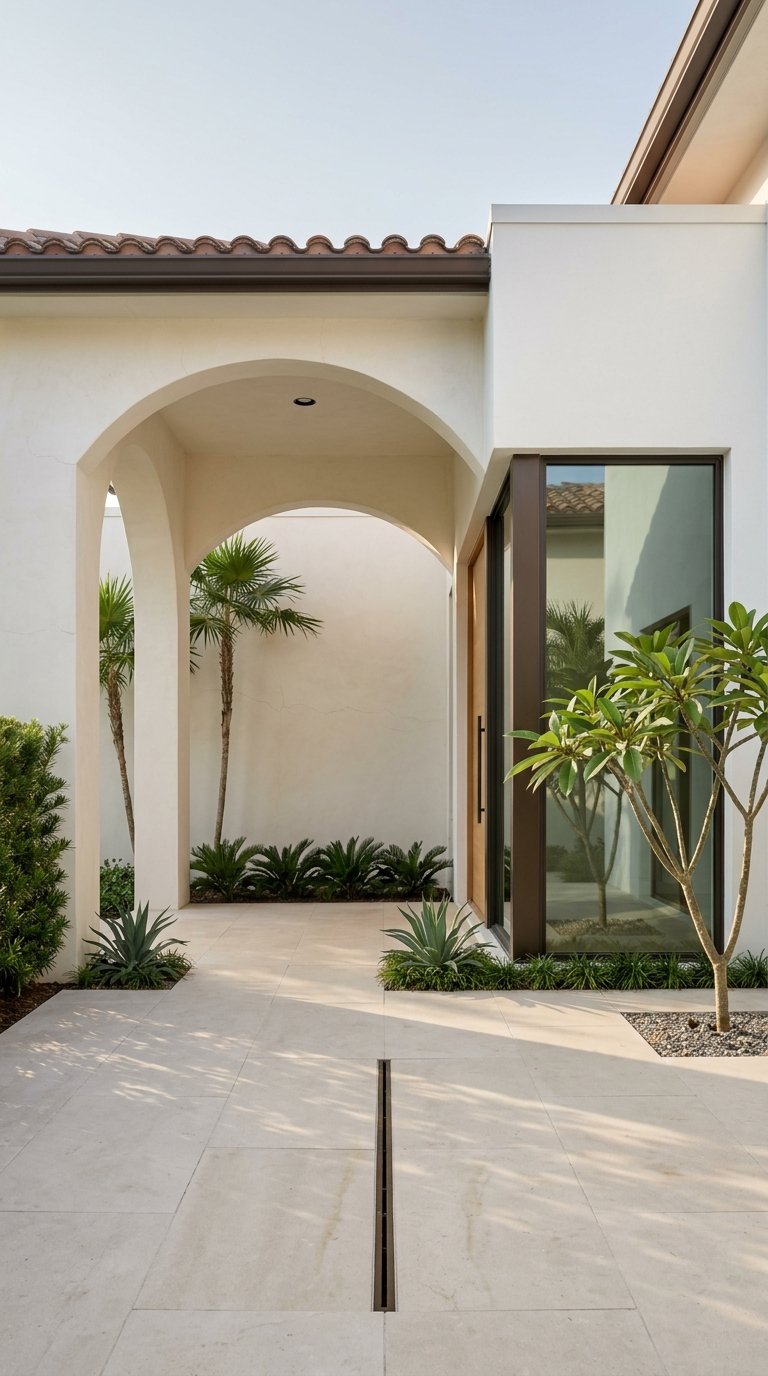
Historic-inspired luxury homes in Coral Gables often draw from Mediterranean Revival and related revival styles. You will commonly see stucco or coral-rock walls, barrel-tile roofs, arches, wrought iron, carved stone, courtyards, and loggias.
These homes often feel deeply tied to the city’s visual language. Local landmarks and older residences reflect a consistent use of materials such as native oolitic limestone, coral rock, decorative tile, and barrel roofs, which gives many historic properties a distinct sense of place.
How historic layouts live day to day
If you love homes with clearly defined rooms, a historic property may feel especially appealing. Original Coral Gables homes often center on entry halls, enclosed patios, separate rooms, and later additions that reflect how the house evolved over time.
That can create a more formal and layered living experience. You may find smaller closets and bathrooms, original doors and casement windows, and less of the wide-open great room layout common in newer construction.
Historic-inspired homes also tend to create a memorable arrival. Features like interior archways, tiled staircases, formal landscaping, and low walls can make the home feel almost processional from the moment you enter.
Where historic character feels most natural
Historic homes often feel most authentic near the city’s original civic and residential fabric. Areas around the downtown core, the Biltmore area, the Country Club Historic District, and streets near the original villages often reflect that established character.
Coral Gables’ historic villages also show that old-world style here is broader than Mediterranean alone. Depending on the property, you may see influences that range from French Country to Chinese village design, all within the city’s larger historic framework.
What to expect for maintenance and approvals
Historic charm often comes with more oversight and more specialized upkeep. Coral Gables’ development review process is designed to preserve and harmonize work involving historic resources, with attention to compatibility in color, materials, fenestration, and proportion.
For you as a buyer, that can affect future plans for additions, exterior replacements, or demolition-related questions. Materials often found in these homes, including barrel tile, stucco, coral rock, wood, and wrought iron, may also require careful repair and long-term attention.
In Miami-Dade’s High Velocity Hurricane Zone, code-related roof and structural details also matter. If you are drawn to a historic home, it is wise to evaluate not only beauty and pedigree, but also the level of stewardship the property may require.
Contemporary homes in Coral Gables
What contemporary homes look like
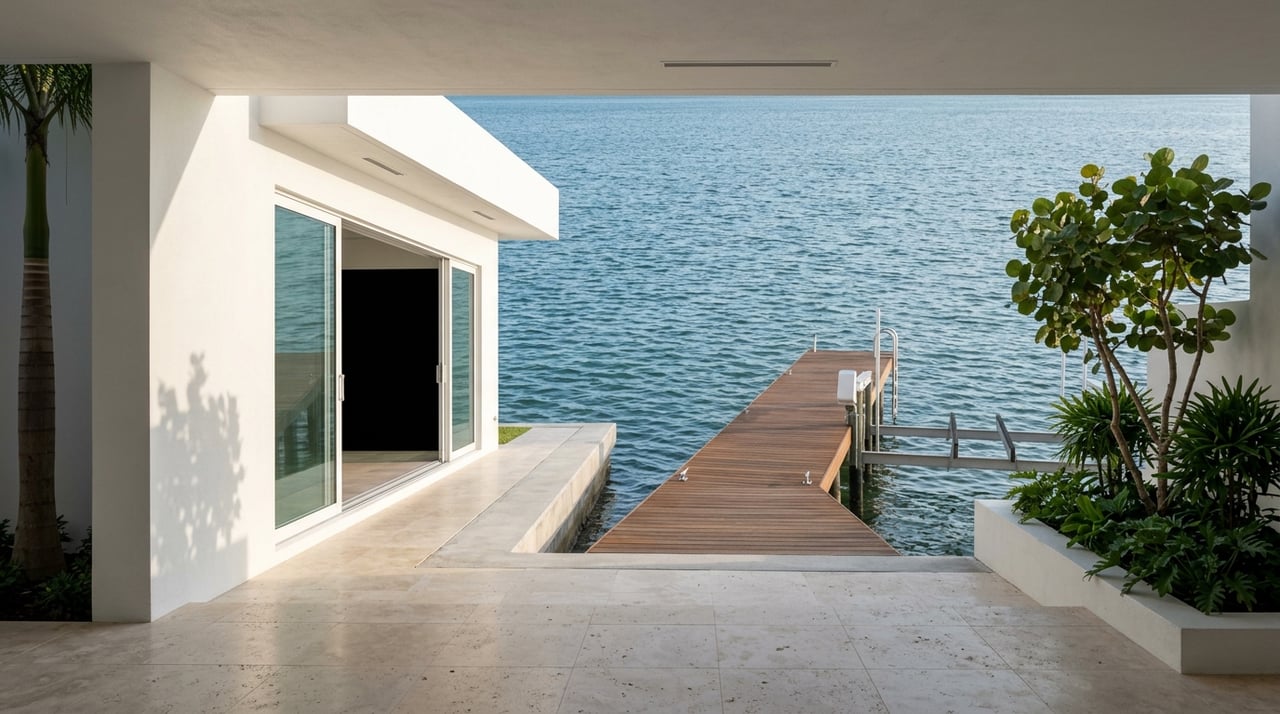
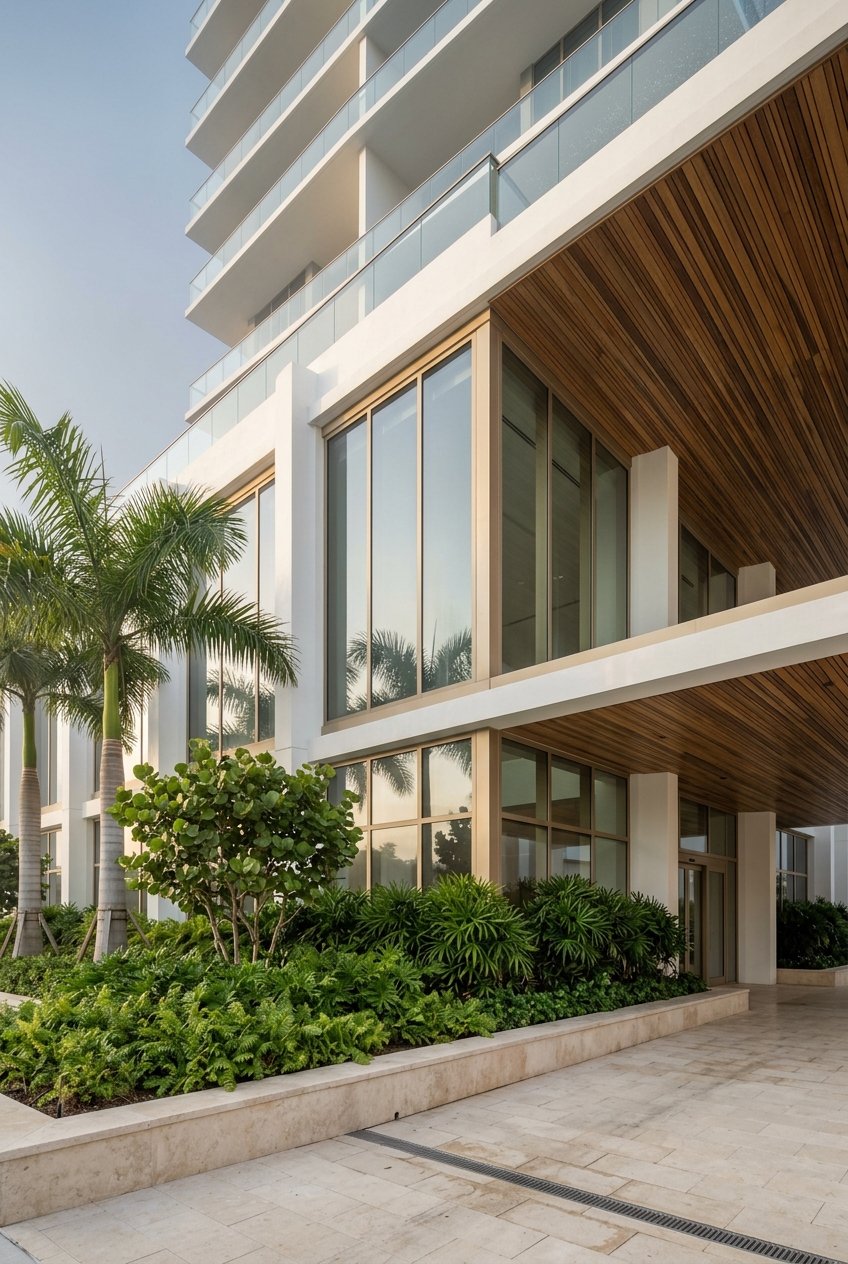
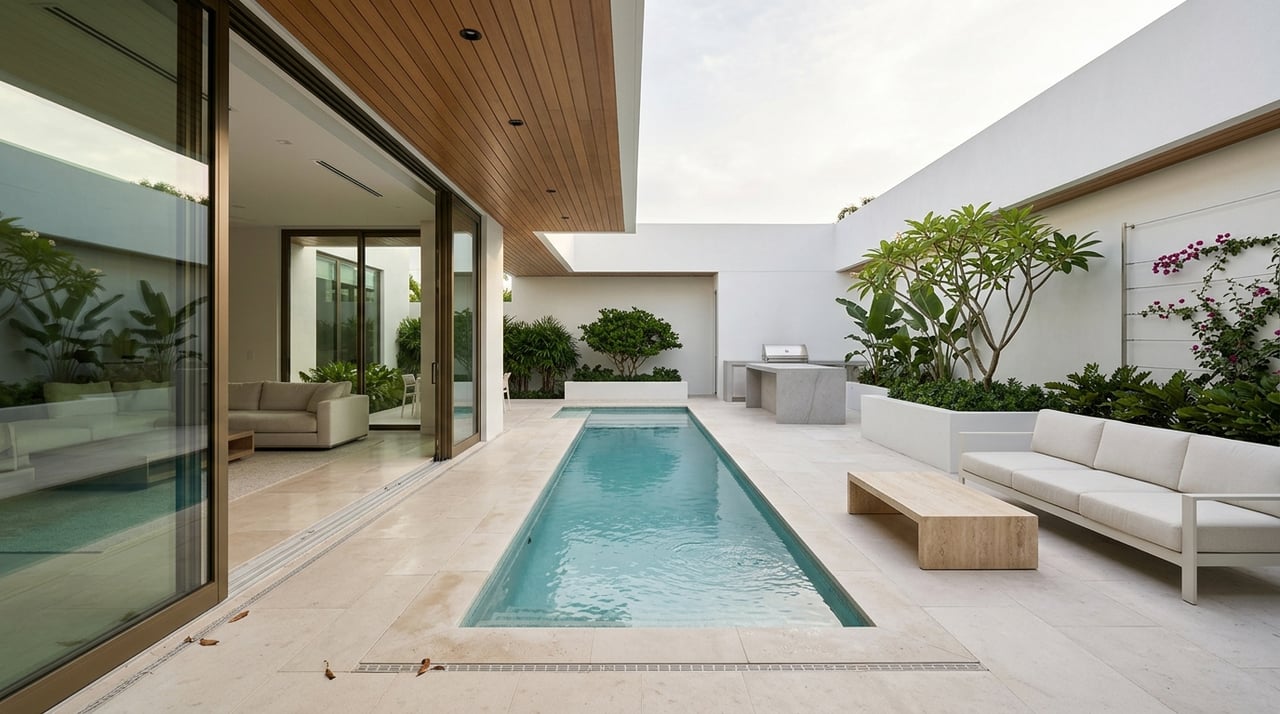
Contemporary luxury homes in Coral Gables usually feature flat or low-pitched roofs, smooth stucco or stone, large glass openings, horizontal lines, and minimal ornament. The overall effect is cleaner, lighter, and often more visually restrained than a historic-inspired home.
Still, local contemporary design is often warmer than a stark glass box. In Coral Gables, newer homes frequently blend modern planning with natural materials such as wood, limestone, brass, and layered millwork, creating a refined look that feels tailored rather than cold.
How contemporary layouts support modern living
If you want a home that feels open and flexible, contemporary may be the better fit. These residences often prioritize open kitchens, connected family spaces, long sightlines, and strong indoor-outdoor flow.
Many newer luxury homes in Coral Gables are designed around entertaining and ease of daily use. You may find a central kitchen and family area, generous wall space for art, enclosed pools or courtyards, elevators, or main-level primary suites.
This often makes the home feel like a private resort or gallery-inspired residence. For buyers who want bright interiors and a cleaner visual palette, that experience can be especially compelling.
Where contemporary homes fit best
The contemporary aesthetic often feels most at home in newer construction or major renovations. South Gables and Cocoplum are examples of areas where modern design is often paired with warm finishes and a stronger connection to landscape.
In the city’s southern sections and along the Old Cutler corridor, the setting feels greener and more garden-oriented, shaped in part by the nearby presence of Fairchild Tropical Botanic Garden and Matheson Hammock. Closer to downtown Coral Gables and Miracle Mile, contemporary homes can feel more urban and connected to shops, restaurants, and public life.
What to expect for maintenance
Contemporary does not mean maintenance-free. The focus simply shifts from decorative details to building systems and envelope performance.
In a warm, humid, coastal climate, moisture control, drainage, glazing performance, HVAC and dehumidification, roof membranes, and corrosion-resistant hardware all deserve close attention. Salt air can accelerate corrosion, so a sleek newer home still needs careful planning and ongoing care.
Historic vs contemporary: the real difference
In Coral Gables, the most accurate comparison is often not old versus new. It is formal and layered versus open and minimal.
Historic-inspired homes usually appeal to buyers who want architectural continuity, mature landscaping, room-by-room separation, and a strong connection to Merrick-era Coral Gables. Contemporary homes usually appeal to buyers who want brighter interiors, larger entertaining spaces, cleaner lines, and more visual simplicity.
Many luxury homes in Coral Gables land somewhere in between. Some restored homes preserve classic exteriors while updating interiors for modern living, and some new homes blend traditional proportions with contemporary planning and finishes.
Questions to ask before you choose
How do you like to live?
If you prefer distinct rooms with clear functions, a historic-inspired home may suit you well. If you want your kitchen, living, and entertaining spaces to work as one connected environment, contemporary may feel more natural.
How important is architectural legacy?
Some buyers are drawn to the idea of owning a home that reflects Coral Gables’ original identity. Others care more about present-day comfort, easy flow, and design flexibility.
Neither priority is wrong. The key is understanding which one matters more to you before you begin narrowing options.
How much flexibility do you want later?
In a city with extensive historic resources and active design oversight, future renovations may not be equally simple across all properties. If you know you may want to rework exterior elements down the line, it is important to understand how a home’s style, age, and location could shape that process.
What kind of upkeep fits your lifestyle?
Historic homes may require more specialized repair work tied to traditional materials and details. Contemporary homes often demand more attention to modern systems, glazing, moisture management, and corrosion resistance.
The better choice is often the one whose maintenance profile aligns with how hands-on or hands-off you want ownership to be.
Finding the right fit in Coral Gables
The best luxury home in Coral Gables is not necessarily the most historic or the most modern. It is the one that fits your daily routine, your design instincts, and your long-term plans for the property.
If you are drawn to romance, craftsmanship, and architectural continuity, a historic-inspired residence may feel deeply rewarding. If you value openness, ease, and a more tailored modern lifestyle, a contemporary home may be the better match.
In a market this design-driven, style is never a surface decision. It is part of the ownership experience itself.
If you want a discreet, design-aware perspective on Coral Gables luxury homes, The MGM Team Luxury Real Estate offers private guidance tailored to your goals, preferences, and long-term vision.
FAQs
What makes historic luxury homes in Coral Gables different from historic homes in other Miami-Dade areas?
- Coral Gables is unusually architecture-driven, with Mediterranean design rooted in the city’s original vision, a large number of local landmarks, and review processes that can affect future exterior changes.
What features define a contemporary luxury home in Coral Gables?
- Contemporary homes in Coral Gables often include flat or low-pitched roofs, large glass openings, smooth stucco or stone, open layouts, and warm-modern materials such as wood, limestone, brass, and layered millwork.
What should buyers know about renovating a historic Coral Gables home?
- Buyers should know that changes to historic properties may involve more review and closer attention to compatibility in materials, proportion, color, and exterior details.
What is the day-to-day lifestyle difference between historic and contemporary Coral Gables homes?
- Historic homes often feel more formal and room-oriented, while contemporary homes usually offer larger shared living spaces, brighter interiors, and stronger indoor-outdoor flow.
What maintenance issues matter most for contemporary homes in Coral Gables?
- Key concerns often include moisture control, roof membranes, drainage, glazing, HVAC and dehumidification performance, and corrosion-resistant hardware in the coastal climate.
What areas of Coral Gables are often associated with historic or contemporary homes?
- Historic character is often strongest near the downtown core, Biltmore area, Country Club Historic District, and original villages, while contemporary homes are commonly seen in newer construction and major renovations in areas such as South Gables and Cocoplum.