If you are looking at a Brickell luxury condo as a long-term hold, the view and finishes should not be your first filter. In this market, your future performance often depends more on building governance, reserve health, insurance structure, rental rules, and how much new supply will compete with your unit over time. If you want to evaluate Brickell more like a durable asset and less like a glossy brochure, this framework will help you do it. Let’s dive in.
Start With Brickell’s Long-Term Case
Brickell has a strong foundation for long-term condo ownership because it combines dense urban convenience with multiple transportation connections. The City of Miami’s Brickell trolley route serves the financial district and links key destinations such as Brickell Key, Brickell City Centre, Brickell Metrorail Station, Mercy Hospital, City Hall, and nearby parks. The Miami Downtown Development Authority also notes that Freebee service connects Brickell with the Central Business District and the Arts & Entertainment District.
For a long-term hold, that connectivity matters because it can widen your future buyer and tenant pool. Easy access supports daily usability, and daily usability tends to hold value better across changing market cycles. In a high-rise submarket like Brickell, convenience is not just a lifestyle perk. It is part of the asset story.
Brickell also sits inside one of Miami’s most active luxury development corridors. MIAMI Realtors reported 1,226 units sold in Brickell over an 18-month period ending June 2025, with international buyers accounting for 79% of Brickell new-development sales. That level of activity shows deep global interest, but it also means you need to underwrite against meaningful competition from new product.
Treat Brickell as a Long-Duration Asset
Brickell luxury condos are usually better evaluated as long-duration holdings than short-term trades. MIAMI Realtors said Miami condo prices had stayed even or increased in 162 of the prior 174 months as of November 2025, which reflects a 14.5-year stretch of resilience. In the same broader market, the Miami-Dade condo and townhome luxury threshold was $2.3 million in the 2024 Southeast Florida luxury report.
That does not mean every unit will outperform. It means your analysis should focus on staying power rather than quick appreciation assumptions. In practice, the strongest long-term holds are often the units in buildings that remain financially stable, operationally predictable, and competitive even as newer towers enter the market.
Focus on Building Quality First
In Brickell, building quality is one of the most important parts of your review. Florida law requires milestone inspections for buildings that are three habitable stories or higher once they reach 30 years of age, and then every 10 years after that. These inspections begin with a visual phase, and if substantial structural deterioration is found, a deeper second phase is required.
For you as a buyer, this means age alone is not the right question. The better question is whether the building has completed required inspections, communicated findings properly, and addressed issues in a timely way. A well-managed older building can be a stronger hold than a newer one with weak financial planning.
That point is supported by market behavior. MIAMI Realtors reported in late 2025 that Miami-Dade condos in buildings more than 30 years old were selling faster than newer condos, at 66 days versus 81 days year to date. In other words, buyers are still rewarding location, pricing, and fee discipline.
Review Reserve Health and Financial Discipline
Reserve health can make or break a long-term condo hold. Florida’s Structural Integrity Reserve Study rules are especially important in this market because many Brickell towers are high-rise buildings subject to these requirements. For budgets adopted on or after December 31, 2024, a unit-owner-controlled association that must obtain a SIRS may not vote to use reserve funds for other purposes.
That rule matters because it puts more pressure on associations to budget realistically. If a building has underfunded reserves, owners may face more fee increases or special assessments as the association adjusts to current law. For you, this means the annual budget, reserve funding levels, and any history of large assessment changes deserve close review.
Florida law also requires associations to prepare a detailed annual budget by account and expense classification. If assessments would rise above 115% of the prior year’s assessments, the board must propose a substitute budget. This does not remove cost pressure, but it does give you a clearer framework for evaluating whether the building’s expense structure is sustainable.
Look Beyond the Amenity Brochure
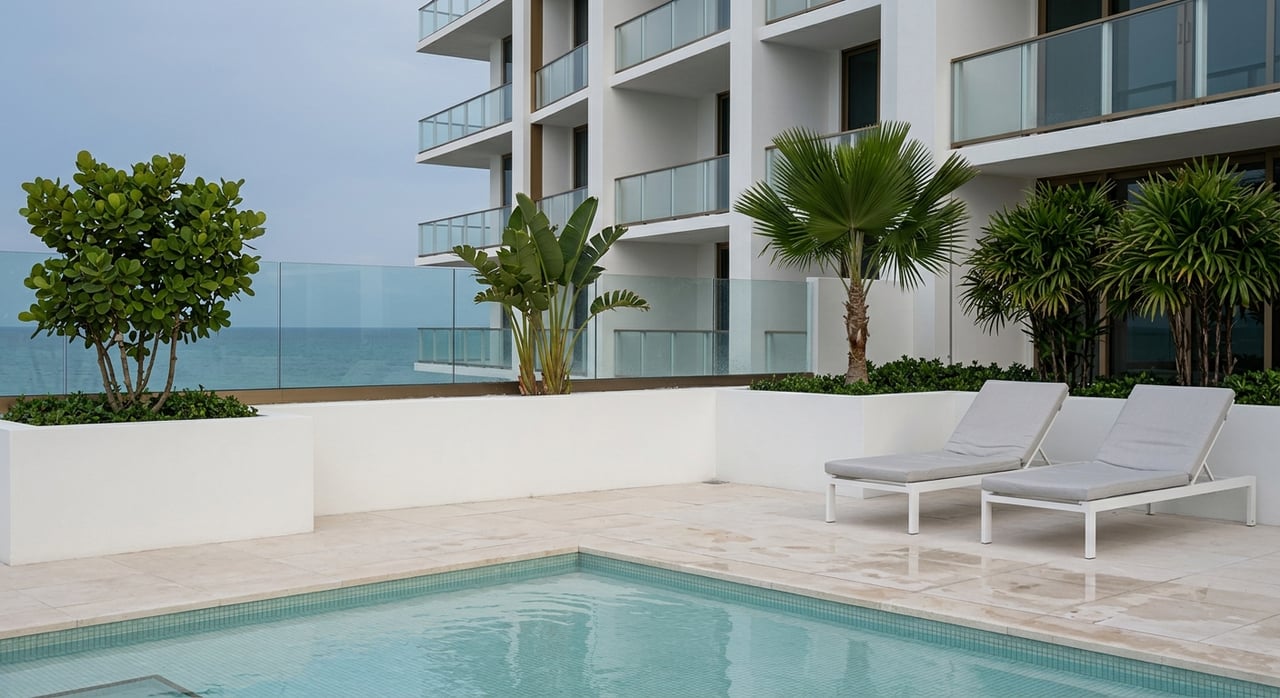
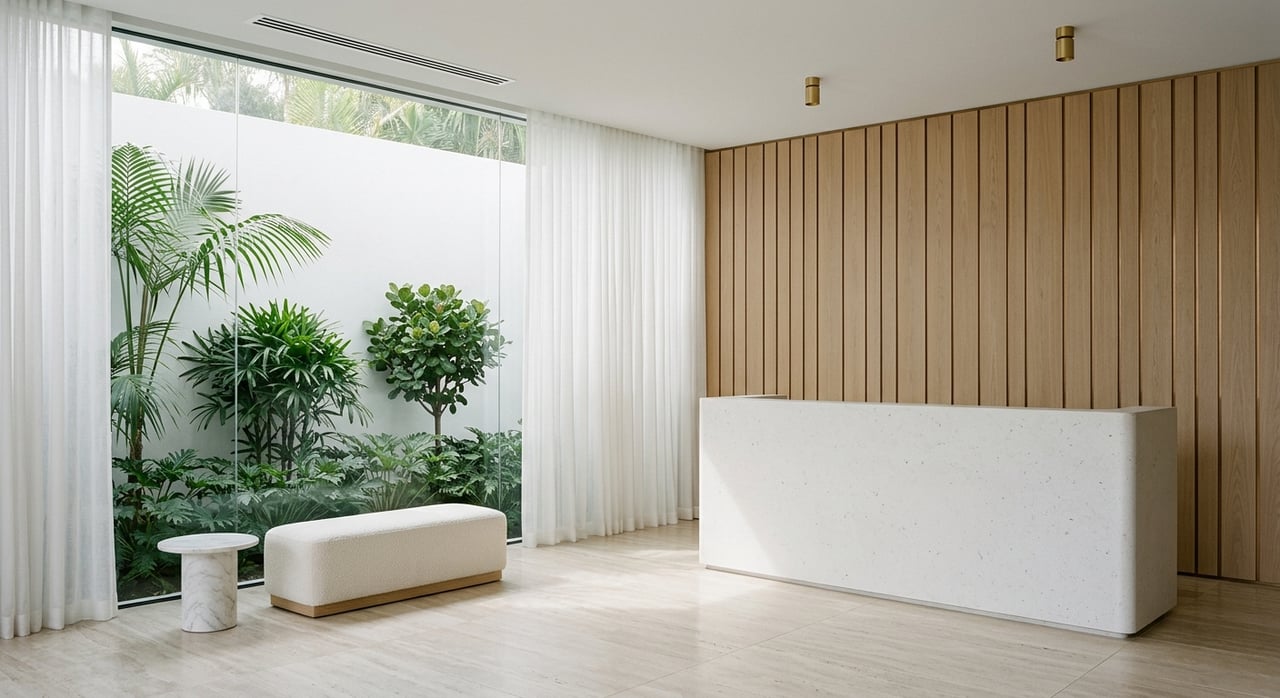
Luxury buyers are often drawn to spa spaces, concierge desks, expansive gyms, and elaborate service models. Those features can absolutely support value, especially in Brickell’s premium segment. Still, for a long-term hold, you should also ask what those amenities cost to operate and whether the building’s fee base can support them over time.
A tower with a dramatic amenity package is not automatically a better investment. If the operating model drives repeated fee shocks or recurring special assessments, the carrying costs may weaken resale appeal later. The better hold is often the one where amenities, staffing, and services feel aligned with the building’s long-term financial capacity.
Understand Insurance Exposure
Insurance is another major variable for Brickell condo investors. Florida law requires associations to use best efforts to obtain and maintain adequate property insurance, requires deductibles to be consistent with industry standards, and requires insurance or fidelity bonding for people who control or disburse association funds.
For you, the practical question is simple: how much risk is being pushed back onto owners? High deductibles, thin coverage, or unstable insurance costs can affect monthly carrying costs and increase the chance of future assessments. In a long-term hold strategy, insurance should be reviewed as part of the building’s overall resilience, not as a small line item.
Read the Records, Not the Marketing
Florida condo buyers have the right to review core documents, including the declaration, articles, bylaws, rules, the most recent annual financial statement, and the annual budget. Associations also must maintain official records in an organized way within the state for at least seven years. Those records can tell you far more than listing language ever will.
When you review a Brickell building, look for a pattern rather than a single issue. The clearest red flags are recurring special assessments, weak reserves, poor recordkeeping, litigation, and repeated fee shocks. A polished lobby does not offset weak governance.
This is where experienced guidance can save you time. In a market with many high-profile towers and a constant flow of new product, disciplined document review is often what separates a smart acquisition from an expensive surprise.
Use the Right Comp Set
Many buyers make the mistake of relying on broad neighborhood numbers when evaluating a Brickell condo. That can be misleading because Brickell includes trophy inventory that can push averages higher than the actual middle of the market. MIAMI Realtors notes that the median shows the middle of the market, while the average can be skewed upward by a small number of ultra-luxury closings.
For that reason, your most useful comp set is usually building-specific. You want to compare the same tower, similar stack, similar view orientation, similar parking, and similar rental policy whenever possible. In Brickell, these differences can have a meaningful effect on both resale pricing and rental demand.
Broader county numbers still help with timing. In Miami-Dade’s Q2 2025 condo and townhouse report, closed sales were 2,920, median sale price was $440,000, average sale price was $829,113, median time to contract was 74 days, median time to sale was 113 days, active inventory reached 13,046 listings, and months supply rose to 14.1. That points to a slower-absorption environment with more choices for buyers, which can help with entry pricing but may make exit timing less predictable.
Watch New Supply Carefully
Brickell’s active development pipeline is one of the biggest factors in long-term underwriting. MIAMI Realtors’ July 2025 new-construction report covered 37 projects and 9,115 units in the Miami market area. Brickell stands out as one of the most active luxury corridors inside that pipeline.
That means your unit will not compete only against resale inventory. It may also compete against newer towers with fresh amenities, modern branding, and aggressive launch pricing. If you are buying in Brickell today, ask yourself how your chosen unit will still stand out five to ten years from now.
In many cases, the answer comes down to specifics such as floor plan efficiency, protected views, building reputation, location within Brickell, and fee sustainability. Scarcity still matters in a vertical market, but true scarcity is usually found at the building and unit level, not across the whole neighborhood.
Match the Building to Your Rental Strategy
A long-term hold works best when the building’s leasing rules match your actual plan. This is especially important in Miami, where short-term use is regulated at both the city and county level. The City of Miami defines transient use as renting a unit more than three times per year for periods of less than 30 days, and its short-term rental or lodging process requires zoning review, an Operational Management Plan, a Certificate of Occupancy or Use, a state lodging license, a business tax receipt, and COA or HOA certification on the evaluation form.
That means a unit that looks flexible in a listing may not be legally or practically usable for short stays. In Brickell towers, the more useful questions are often the minimum lease term, any lease caps, waiting periods before leasing, and whether the board consistently enforces the rules already on the books.
For many long-term investors, stable leasing rules are more valuable than maximum theoretical flexibility. A building with clear governance and predictable rental permissions may be easier to hold through changing market conditions than one with vague or inconsistently enforced policies.
Consider the Luxury Buyer Profile
At the higher end of the market, Brickell behaves differently from the broader condo segment. MIAMI Realtors’ 2024 Southeast Florida luxury report placed Miami-Dade’s condo and townhome luxury threshold at $2.3 million. MIAMI’s 2026 luxury commentary also noted that more than 70% of million-dollar condo and townhome sales were all-cash.
That matters because all-cash activity can reduce financing risk in the resale pool. It can also support liquidity for well-positioned luxury units, even when the broader market is moving more slowly. If you are evaluating a trophy or upper-tier Brickell condo, you should weigh resale appeal to cash buyers, international demand, and product differentiation more heavily than broad market averages.
A Practical Brickell Hold Checklist
Before you move forward on a Brickell luxury condo, make sure you can answer these questions with confidence:
- Has the building completed required milestone inspections, if applicable?
- Has the association completed its Structural Integrity Reserve Study on time, if required?
- Are reserves appropriately funded under current Florida rules?
- Has the building faced recurring special assessments or repeated fee shocks?
- How strong are the insurance coverage and deductible structure?
- Do the annual budget and operating costs support the amenity package?
- What are the exact leasing rules, waiting periods, lease caps, and minimum terms?
- How does the unit compare with recent sales in the same building and stack?
- How much future new supply could compete with this unit?
- Does the property’s transit access and daily convenience support long-term demand?
If a building answers these questions well, you may be looking at a much more durable hold. If several answers are unclear, that uncertainty is part of the risk.
A Brickell luxury condo can absolutely work as a long-term hold, but the best opportunities are rarely the easiest to spot from marketing alone. They are usually the properties where location, governance, reserve discipline, insurance structure, and rental rules all support the same conclusion. If you want discreet, design-aware guidance on evaluating Brickell luxury inventory, schedule a private consultation with The MGM Team Luxury Real Estate.
FAQs
What makes a Brickell luxury condo a strong long-term hold?
- A strong long-term hold usually combines transit-connected location, financially disciplined association management, funded reserves, sustainable operating costs, and leasing rules that fit your ownership plan.
How should you compare Brickell luxury condo values?
- The most useful comparisons are usually within the same building, stack, view orientation, parking configuration, and rental policy rather than broad neighborhood averages.
Why do Florida condo reserves matter for Brickell investors?
- Reserve funding matters because weak reserves can lead to fee increases, special assessments, and less predictable carrying costs over time.
Are older Brickell condo buildings always riskier long-term holds?
- No. Older buildings are not automatically weaker assets, and Miami-Dade data showed condos in 30-plus-year-old buildings selling faster than newer condos in late 2025.
What rental rules should you check before buying a Brickell condo?
- You should review the declaration and rules for minimum lease terms, lease caps, waiting periods, short-term restrictions, and how consistently the association enforces those rules.
Why is new construction important when evaluating Brickell condos?
- New development adds future competition, so your unit should be assessed against both current resale inventory and the pipeline of newer product entering the market.