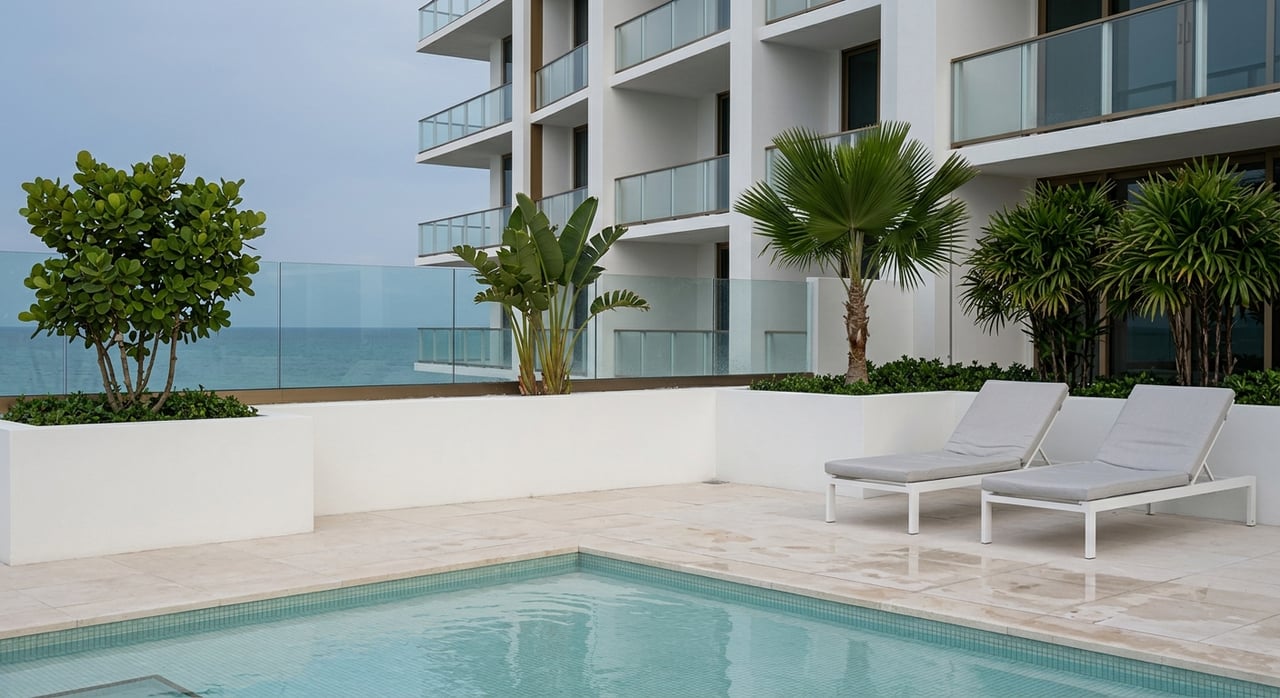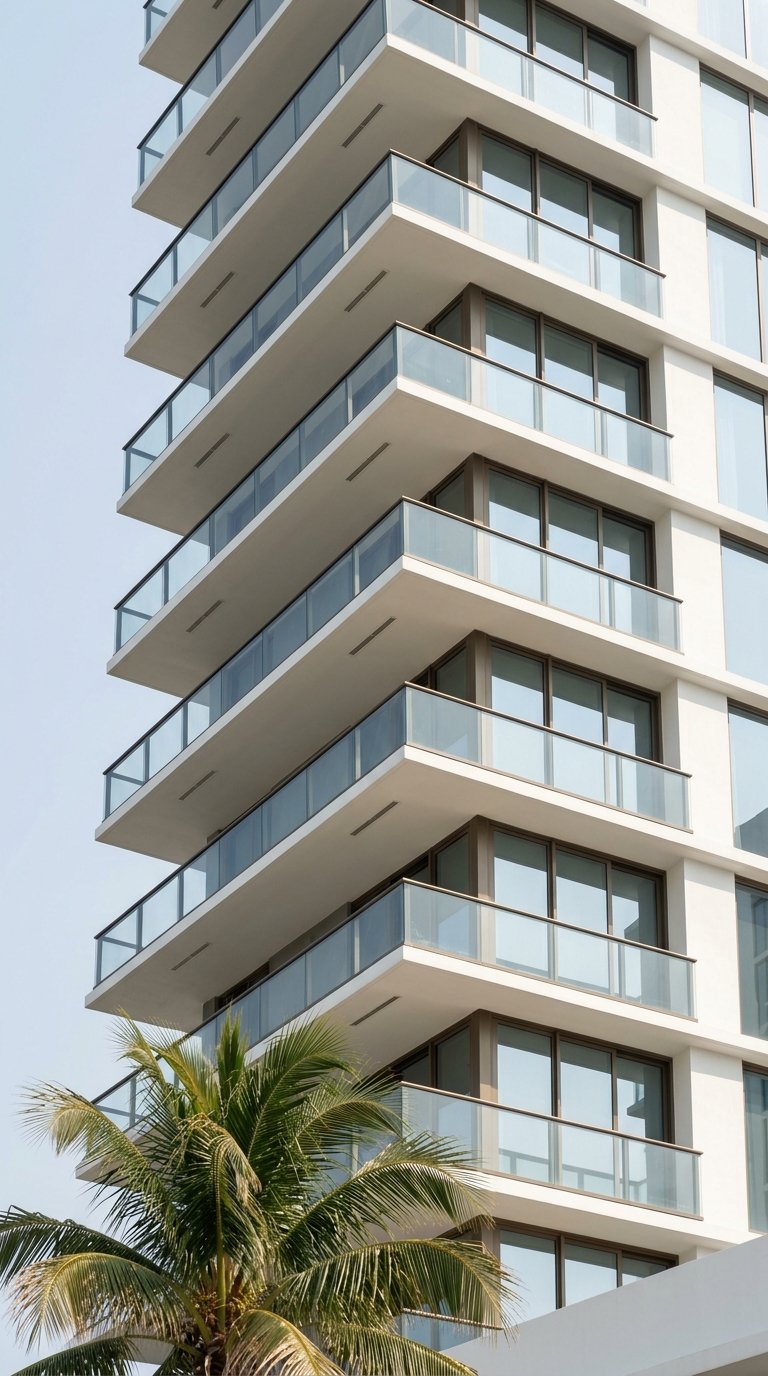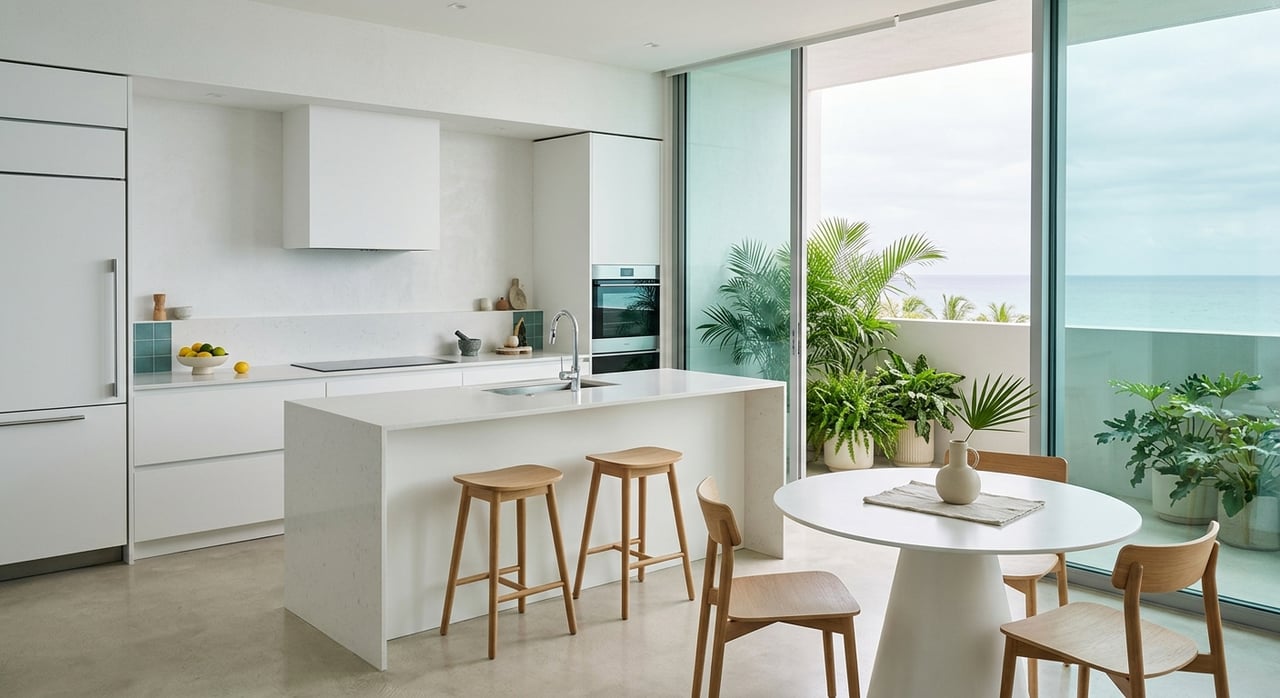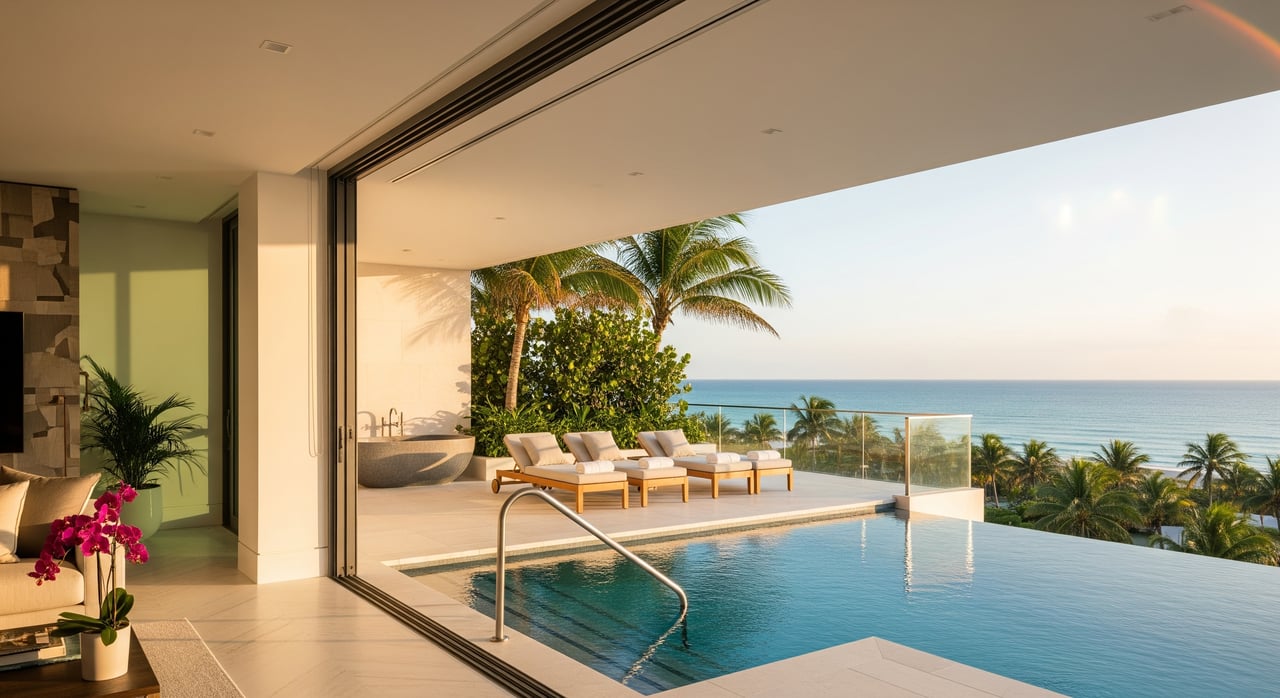
Have you noticed luxury brand names on towers along Collins Avenue and wondered what that really means for you as a buyer or seller? If you are weighing lifestyle, value, and resale, branded residences can look exciting but complex. In this guide, you will learn what branded residences are, how they work in Sunny Isles Beach, and the practical steps to buy, finance, own, or sell with confidence. Let’s dive in.
What branded residences are
Branded residences are privately owned homes that carry the name and service standards of a recognized brand. You typically see a licensing or management agreement linking the building to the brand, along with elevated design and hotel-style services.
Common elements include:
- A formal brand license or management agreement
- Hotel-style services such as concierge, valet, spa, housekeeping, and in‑house dining
- Signature design or architecture tied to the brand or a notable designer
- An on‑site operational team managed by, or aligned with, the brand
- Sometimes a shared hotel or commercial component next to a separate residential condominium
Brands you may recognize include global hotel operators, fashion and lifestyle houses, automotive design marques, and developer signature brands. These properties are designed for convenience, privacy, and a seamless service experience.
Sunny Isles context
Sunny Isles Beach is known for oceanfront high-rise living and a strong international buyer base. The neighborhood’s lifestyle, access to Miami’s top amenities, and seasoned developer activity support buildings with extensive services and resort-level features. In this environment, a trusted brand can be a key differentiator.
Notable local examples
You will see several brand types represented along the coast:
- Porsche Design Tower: an automotive and lifestyle brand noted for distinctive amenities
- Armani/Casa: a fashion and design partnership known for curated interiors
- Acqualina: a resort-branded project with hotel-style operations and residences
- Turnberry Ocean Club: a developer signature brand with extensive amenities and services
These examples illustrate how different brands shape design, services, and positioning. Always confirm current availability, operations, and agreements before making decisions.
How branding affects value
Branded residences can command a premium over comparable unbranded buildings due to services, perceived prestige, and global marketing reach. Industry commentary indicates premiums often vary and can range from low double digits up to 20–30 percent in certain conditions. The premium is not guaranteed. It depends on brand strength, building execution, timing, and the broader market.
Liquidity and resale performance also hinge on consistent service delivery, the strength of the brand license and management, HOA financial health, and quality of amenities over time. If service standards slip or agreements are weak, value can be affected. Branding can open doors to a global buyer audience, but fundamentals still matter. Layout, views, condition, reserves, and the stability of the association remain central to long-term value.
Ownership and operations to review
Buying in a branded building means reviewing both standard condominium items and brand-specific documents. Focus on clarity, costs, and control.
Legal framework
- Condominium documents: declaration, bylaws, and rules. Confirm voting rights, reserves policy, rental terms, assessments, and common element use.
- Brand license agreement: brand use, standards, fees, term, renewal, and termination rights, including owner protections.
- Hotel management agreement: if a hotel component exists, confirm management fees, revenue allocations for any rental pool, oversight, and termination clauses.
- Condominium map and units: understand whether hotel space is separate from the residential association, because it can affect operations and fees.
Financial realities
- HOA fees: expect higher monthly fees to fund hotel-level staffing and services.
- Reserve study: seek the most recent study and confirm funding levels, given the complexity of coastal high-rises and mechanical systems.
- Special assessments: review past and pending assessments, plus capital improvement plans.
Services and staffing
Clarify which services are included in HOA fees and which are optional. Confirm staffing levels, service standards, and whether staff are employed by the brand, the association, or a third-party manager.
Rental programs and restrictions
Many branded projects restrict short-term rentals to protect the resident experience. Some offer a hotel rental program for nightly stays with revenue sharing and management fees. Rental rules influence income potential, flexibility, and financing eligibility.
Insurance, safety, and recertification
Coastal buildings face windstorm and flood exposure. Review the master insurance policy, coverage limits, and owner deductibles. Miami-Dade recertification requirements and updated post‑Surfside regulations have increased scrutiny of structural inspections and reserve funding. Request inspection and engineer reports and verify compliance history.
Financing and taxes
Financing for branded condominiums can be straightforward or complex depending on the project.
- Lender treatment: conventional lenders may underwrite these like other condos. Mixed hotel components, high commercial space ratios, or large HOA delinquencies can complicate approval.
- Eligibility: if planning conventional financing, confirm the building’s status with your lender early. Review investor-occupancy limits and any lender or agency requirements.
- Insurance and hurricane preparedness: understand wind and flood coverage, deductible levels, and carrier availability on the beach.
For taxes, Miami-Dade assessments follow standard protocols. Homestead exemption and the Save Our Homes cap apply only to qualifying primary residences. If you are a foreign owner, consider FIRPTA withholding on sales, U.S. tax filings if you generate rental income, and potential estate tax exposure. Work with qualified tax and legal counsel.
Practical steps for buyers
Use a structured process so you move fast and protect your position:
- Define priorities
- Lifestyle, privacy, and services vs. rental flexibility
- Ocean exposure, views, and floor plan requirements
- Shortlist buildings
- Compare brand types and service models
- Study HOA fees, reserves, and assessment history
- Request documents
- Condo documents, budget, financials, and latest reserve study
- Brand license and management agreement summaries
- Insurance declarations and deductibles
- Structural and recertification reports
- Confirm financing
- Pre‑underwrite building eligibility with your lender
- Review rental and occupancy rules that could affect loans
- Model ownership costs
- HOA fees, insurance deductibles, taxes, and any program fees
- Optional services like housekeeping or in‑unit dining
- Inspect and verify
- Walk amenities and back-of-house areas
- Confirm service levels at different times of day/week
- Negotiate with clarity
- Address documents, fees, and program terms in your offer
- Set timelines for approvals and document review
Practical steps for sellers
Selling a branded residence benefits from transparency and precision.
- Prepare documentation: brand license summaries, management terms, HOA budgets, reserve study highlights, and any rental program reports.
- Present services clearly: what is included vs. fee-based, plus staffing and operating details that support value.
- Disclose key costs: HOA fees, insurance deductibles, recurring program charges, and any membership requirements.
- Highlight fundamentals: views, layout, condition, and recent capital improvements that reinforce the brand promise.
Red flags to avoid
Watch for signals that can affect value and financing:
- Brand license with short notice termination and limited owner protections
- Underfunded reserves alongside heavy service commitments
- High HOA delinquencies or unclear rental pool reporting
- Gaps between advertised services and what agreements require
Market signals to watch
To keep a strategic edge, monitor:
- Sale prices and days on market for oceanfront luxury condos in Sunny Isles compared to non‑branded peers
- HOA budgets, reserve levels, and assessment trends
- Brand announcements about new projects, management shifts, or disputes
- Local regulatory updates tied to coastal construction and inspections
The MGM Luxury Team advantage
When you buy or sell a branded residence, access and execution matter. You benefit from advisors who understand development, brand agreements, and building operations. You also gain from relationships that open doors to inventory before it is widely marketed.
With developer partnerships and deep experience across Sunny Isles, Brickell, Miami Beach, and Fisher Island, the MGM Luxury Team pairs product knowledge with a concierge approach. You receive design-aware guidance, curated building comparisons, and introductions to trusted legal, lending, and international tax professionals. For cross‑border clients, the team coordinates a discreet, end‑to‑end experience from discovery to closing.
Ready to explore branded options or position your property for a premium? Schedule a Private Consultation with the MGM Luxury Team to discuss strategy, inventory, and next steps.
FAQs
What is a branded residence in Sunny Isles?
- A privately owned condo aligned with a recognized brand, offering design influence and hotel‑style services under formal licensing or management agreements.
Do branded condos cost more than others?
- They often command a premium due to services and prestige, with ranges from low double digits up to 20–30 percent in some cases, though results vary by project and market.
Can I short‑term rent a branded residence?
- Many buildings restrict short‑term rentals. Some offer a hotel rental program with revenue sharing and management fees. Always review the association rules and program terms.
Why are HOA fees higher in branded buildings?
- Fees help fund hotel‑level staffing and services. Review the budget, reserve study, and any special assessments to understand total costs.
What should foreign buyers know about taxes?
- Foreign sellers may be subject to FIRPTA withholding, and rental income can trigger U.S. filing obligations. Consult qualified international tax and legal advisors for guidance.