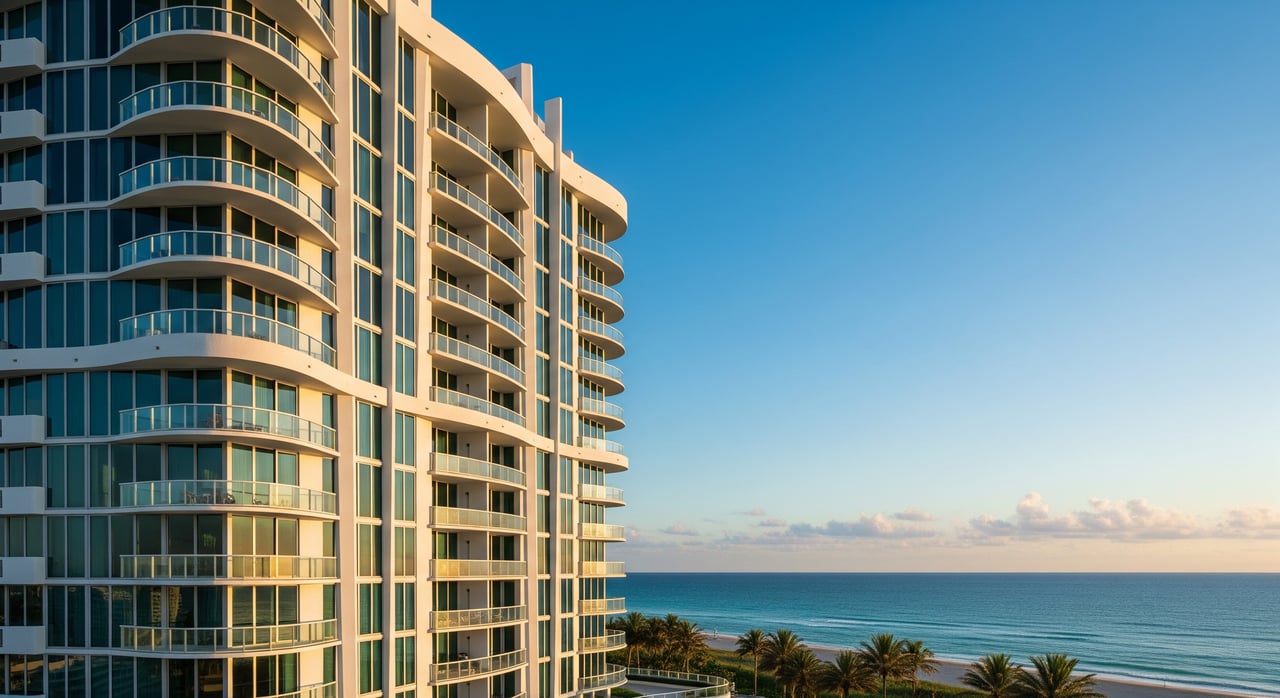
Ever scrolled listings and wondered why 2501 and 4007 feel like a code? In Sunny Isles Beach towers, those trailing digits point to a unit’s “line,” and understanding them can help you target the exact exposure, privacy, and layout you want. If you value ocean panoramas, sunset views, or quieter corners, learning how lines work will save you time and prevent surprises. In this guide, you’ll learn how to decode unit numbers, read a floorplate, and evaluate which lines typically command premiums in Sunny Isles. Let’s dive in.
What a line means
A “line” is the vertical stack of identical or near‑identical units that repeat on multiple floors. One line maps to a consistent footprint and orientation on the floorplate. When you hear “Line 01,” that refers to the same position on each typical residential floor.
Most Sunny Isles buildings use a floor‑first numbering convention. For example, 2501 often means floor 25, Line 01. Some developers use letters for lines or add tower identifiers in multi‑tower complexes. Penthouses and duplexes may follow unique numbering, so do not assume they align with standard floors.
To verify the mapping, check the condominium declaration, offering plan, or recorded plats. You can also confirm official unit numbers through the Miami‑Dade County Property Appraiser. Always rely on the building’s official floorplate for final guidance.
Read a floorplate: steps
1) Get the right documents
- Official floorplate or stack diagram from the condo declaration or offering plan.
- Unit‑specific floorplans for the exact line and floor.
- Recorded plats and any sales center brochures.
- County unit pages and recent photos that show the floorplate.
2) Identify the orientation
- Look for a compass arrow on the floorplate.
- If none, use a map to orient the building relative to Collins Avenue, the Atlantic Ocean to the east, and the bay or city side to the west.
- Cross‑check with the legal floorplate, since marketing diagrams can be mirrored.
3) Map the line number
- Translate the unit number into floor plus line (for example, 1802 maps to Line 02 on floor 18 under floor‑first conventions).
- Confirm that the same line appears on every residential floor and note any amenity or mechanical levels that interrupt the stack.
4) Note vertical changes
- Identify where floorplates step back or change shape.
- Watch for transitions near amenity floors and penthouse levels where lines can merge, reconfigure, or shift behind setbacks.
5) Check cores and elevators
- Locate the elevator banks, stairs, and service corridors.
- Lines adjacent to cores may experience more foot traffic or service activity.
- Corner positions often mean more glass and multiple exposures.
6) Cross‑reference plans and photos
- Compare the line’s floorplan to balcony orientation, window placement, and bedroom layout.
- Use satellite imagery to visualize sightlines and nearby towers that may affect views.
What line position signals
Exposure and views
- East‑facing lines typically offer Atlantic Ocean views and are highly sought after. Corner east lines can capture both ocean and city panoramas.
- West‑facing lines usually look toward Biscayne Bay, mainland Miami, or skyline views, which appeal to sunset seekers.
- North‑ and south‑facing lines can have partial ocean or lateral views, depending on floor height and neighboring towers.
Corner versus mid‑plate
- Corner units often have more window area, multiple exposures, and abundant light. These features commonly support higher prices per square foot.
- Mid‑plate units can offer efficient layouts and sometimes greater privacy away from elevator lobbies.
Floor height and stacking
- Higher floors generally command premiums for quieter conditions and better sightlines. In a corridor of tall towers, some lines may still encounter view limitations, so verify for your specific floor.
- Lower floors offer easier access to amenities and faster in‑out convenience but can see more activity and potential obstructions.
Privacy and noise
- Lines by elevator banks or public corridors may get more foot traffic.
- Units above amenity levels can experience activity or mechanical noise unless well isolated in the building’s design.
Light and sun
- East exposure brings morning light and cooler afternoons.
- West exposure delivers afternoon sun, which affects cooling and energy use.
- North and south exposures differ in glare and heat load, which is a comfort preference.
Layout implications
- Stack position often dictates how living rooms, bedrooms, and balconies orient. Many ocean lines place living areas toward the water with bedrooms to the side or rear.
- Upper floors can convert to duplexes or larger residences where stacks merge or shift, changing the experience of the same line number.
How these factors affect price
- In general, unobstructed ocean exposures, corner positions, higher floors, and larger terraces support higher values.
- Pricing also reflects building brand, finishes, concierge services, private elevators, and unique features.
- Compare lines within the same building rather than across different buildings, since conventions are not universal.
Sunny Isles context
Market and urban form
Sunny Isles Beach is a narrow barrier island with luxury towers lining Collins Avenue. Ocean is to the east, city and bay to the west. The close spacing of towers means mid‑ and lower‑floor ocean lines can have view corridors influenced by neighboring buildings, especially in areas redeveloped over the past 10 to 20 years.
Building characteristics to expect
- Tall, slender towers often use fewer lines per floor to maximize views.
- Branded towers can feature more corner units, private elevator foyers, and irregular stacking for penthouses.
- Amenity and mechanical levels may interrupt line continuity, so confirm vertical alignment for your specific floor.
Examples to illustrate concepts
- Porsche Design Tower is known for private sky garages and car elevators, which influence stack layouts and mechanical levels.
- Jade Ocean and Jade Beach show how similarly branded towers can use mirrored or related floorplates with ocean lines.
- Armani/Casa and Acqualina properties often offer larger footprints with fewer residences per floor and unique penthouse configurations.
These examples are useful patterns, but always verify each building’s official floorplate before you assume a line’s orientation or premium.
View corridors and shadowing
New supertall projects and redevelopment can change long‑term view corridors. A line that was unobstructed when first sold can face new obstructions today. Use current satellite imagery and recent photos from the floor level to validate what you will actually see.
Verification sources
- Condo declaration, offering plan, and recorded plats are the primary records for line mapping and descriptions.
- County unit pages confirm legal unit numbers and can support due diligence. Start at the Miami‑Dade County Property Appraiser.
- For the legal framework governing condominium records and plats, review Florida Statutes, Chapter 718.
- For local development context and permits, consult City of Sunny Isles Beach Community Development.
Practical buyer checklist
Documents to request
- Official stack diagram and condo declaration exhibits
- Unit‑specific floorplan for the exact line and floor
- Recorded plats or surveys showing footprint and orientation
- HOA documents that identify amenity and mechanical levels
- Recent aerial or satellite view plus a site plan
- County property appraiser page for the legal unit number
Questions to ask
- Does this line run on every residential floor, or is it interrupted by amenities or penthouse levels?
- Which compass direction does this line face? Is it ocean, bay, city, or interior?
- Is the foyer private or adjacent to an elevator bank? Any service corridors nearby?
- Are any approved or planned neighboring towers likely to affect this view?
- Is the residence standard, combined, duplex, or a penthouse variation of the line?
- For branded towers, does this line include unique features that change its layout or value?
Smart buyer tips
- Do not compare line numbers across different buildings without verifying floorplates.
- View from the actual floor level whenever possible, or obtain recent videos.
- Recheck sightlines if neighboring parcels have new approvals or construction.
- Consider how sun exposure and HVAC needs align with your lifestyle.
Work with a line‑savvy advisor
Knowing how to read line numbers lets you focus on the exact exposure, privacy, and layout you want in Sunny Isles Beach. If you value clear, document‑driven guidance and access to developer materials and floorplans, our team can streamline your search and due diligence. For private, end‑to‑end advisory support, schedule a confidential consult with The MGM Team Luxury Real Estate.
FAQs
What does “line” mean in Sunny Isles condos?
- A line is the vertical stack of similar units that repeats on multiple floors, mapping to a consistent footprint and orientation on the floorplate.
How do I decode unit number 2501 or 4007?
- Many buildings use floor‑first numbering, so 2501 often means floor 25, Line 01. Always confirm with the building’s official floorplate, since conventions vary.
Which lines have the best ocean views?
- East‑facing and east‑corner lines typically offer the most direct Atlantic views, but verify for your floor and check for neighboring towers that may affect sightlines.
Do amenity floors break a line’s continuity?
- They can. Amenity and mechanical levels may interrupt or reconfigure stacks, especially near sky lobbies and penthouse transitions. Verify vertical alignment for your floor.
Where can I confirm a unit’s legal number and records?
- Use the condo declaration and recorded plats, and verify through the Miami‑Dade County Property Appraiser along with the building’s official exhibits.