Trying to choose between a condo and a house in Coral Gables can feel like comparing two great lifestyles. You want something that fits the way you live, protects your investment, and makes sense in a coastal market with unique rules and risks. In this guide, you will learn how costs, insurance, regulations, neighborhoods, and resale dynamics differ so you can move with confidence. Let’s dive in.
Quick snapshot: condo vs house
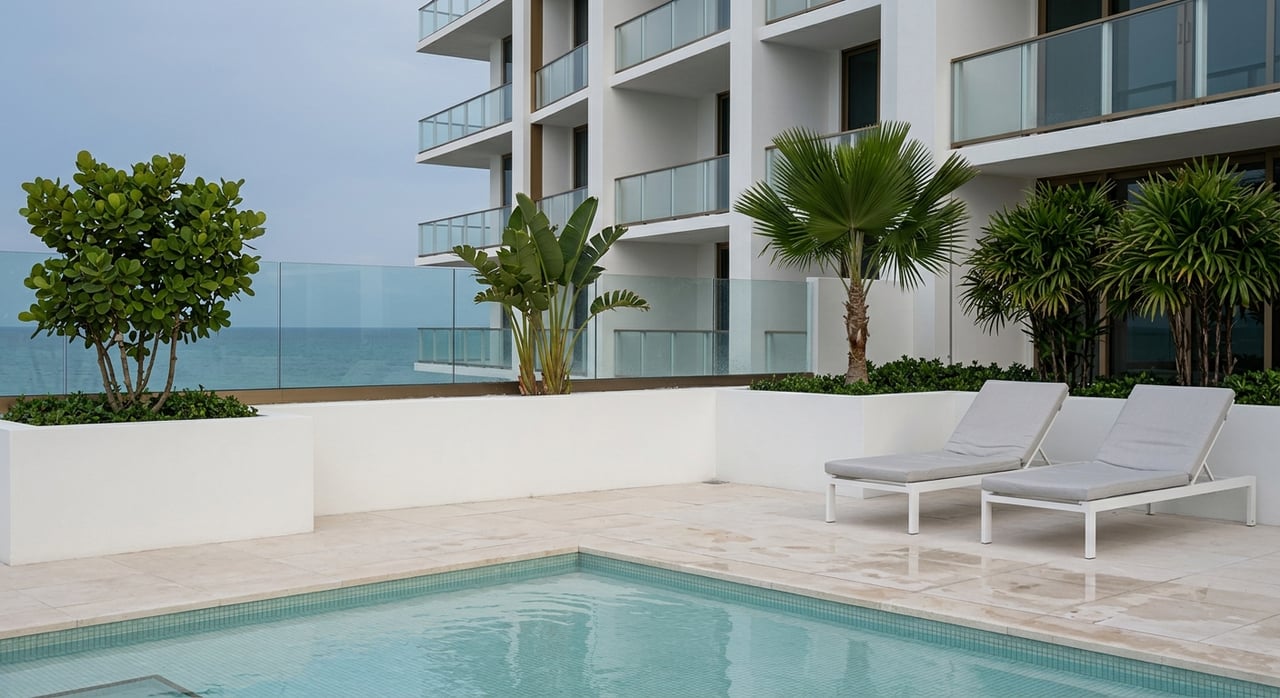
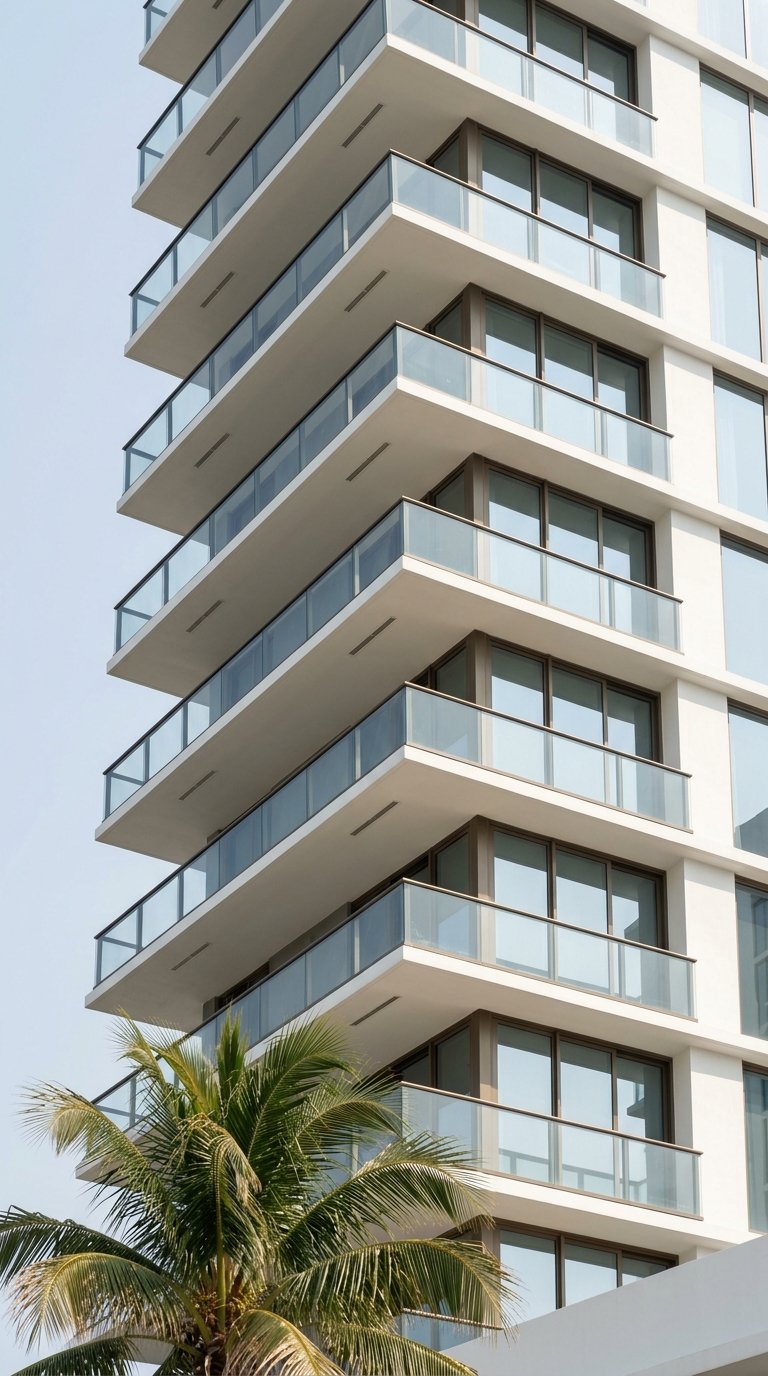
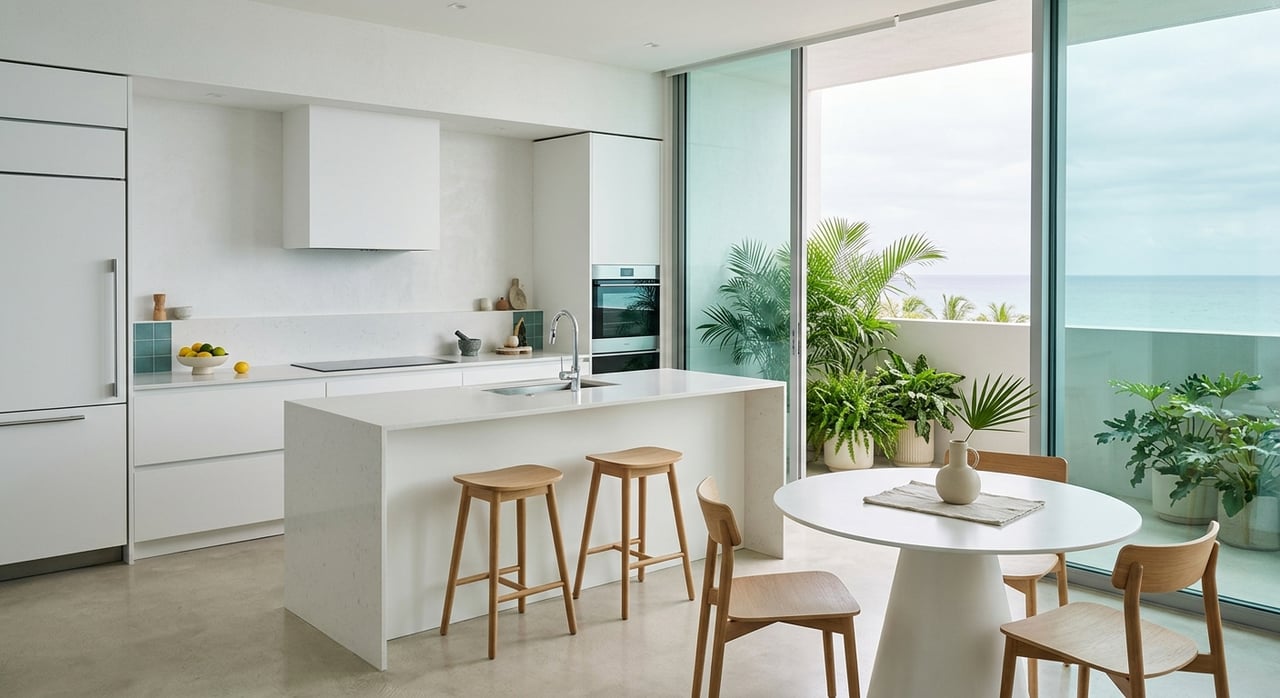
Condos in Coral Gables often give you lower entry prices, less exterior maintenance, and amenities close to Miracle Mile or the University of Miami area. Monthly HOA dues fund building insurance and operations, which simplifies your routine but adds a fixed cost. Rules on renovations and rentals tend to be tighter.
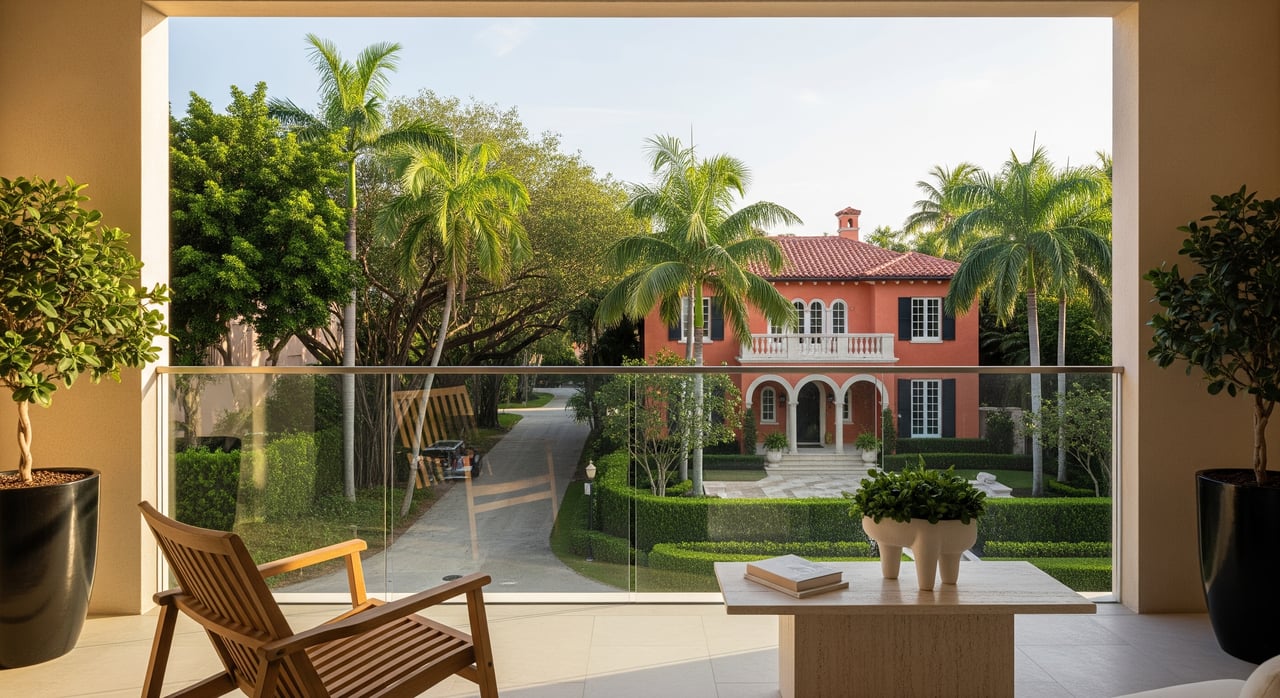
Single family homes usually require a higher purchase budget and full responsibility for maintenance and insurance. Many neighborhoods offer privacy, yards, and architectural character, especially in historic areas and gated waterfront enclaves. Renovation paths are broader but subject to city zoning and, in some areas, historic review.
Total cost: what you really pay monthly
Look beyond the purchase price. Compare the true monthly number that you will carry over time. Add your mortgage payment, estimated property taxes, insurance, utilities, and either HOA dues for a condo or a maintenance reserve for a house.
For condos, HOA dues cover building insurance, common area upkeep, reserves, and sometimes services like cable or water. Dues vary by building age, amenities, and management. Always request the latest budget, reserve study, insurance declarations, and recent meeting minutes to see if a special assessment is likely.
For houses, you avoid condo dues in many neighborhoods but you fund your own exterior costs. Budget for landscaping, pool service, roof and driveway repair, pest treatment, and ongoing maintenance. Some gated communities have HOA fees that cover shared services, so review those documents as well.
Property taxes in Coral Gables depend on assessed value, exemptions, and municipal millage. If you will homestead the property, confirm eligibility with the Miami Dade County Property Appraiser. The homestead exemption can meaningfully reduce your tax burden on an owner occupied residence.
Insurance and storm risk in Coral Gables
Condo owners carry an HO 6 policy that typically covers interior finishes, personal property, liability, and loss assessment. The association holds the master policy on the building shell and common areas. Check the master policy declarations to understand where the association’s coverage stops and your policy starts.
House owners generally carry an HO 3 style policy that covers the full structure, contents, and liability. Because the policy insures the entire building, premiums can be higher than a condo unit’s HO 6. Quotes will vary by construction type, roof condition, and mitigation features.
Flood and wind exposure matter across Coral Gables. FEMA flood zones, coastal proximity, and elevation can influence premium levels and lender requirements. Lenders often require flood insurance for homes in Special Flood Hazard Areas. Even outside mapped zones, flood coverage is worth evaluating due to storm surge and heavy rainfall events.
For high rise condos near the coast, look at garage and first floor flood protections and whether the association carries flood coverage. For houses, verify the property’s flood zone and consider mitigation steps that can help manage cost, such as improved drainage or elevating critical systems.
Building age, inspections, and reserves
Many Coral Gables buildings and homes are older, with architectural charm that comes with maintenance cycles. Since the Surfside collapse, Florida has increased attention on condo inspections, reserve funding, and structural safety. Older buildings may be completing new inspections or funding capital work, which can lead to special assessments.
When buying a condo, ask for recent engineering or inspection reports, the reserve study, and proof of major capital improvements. Review meeting minutes to see how the board discusses structural and financial issues. For a house, order a thorough home inspection that includes roof, electrical, plumbing, HVAC, drainage, and termite checks, and confirm that past work was permitted through the City of Coral Gables.
Rules that shape daily life
Florida condominiums follow Chapter 718 of the Florida Statutes, which sets board duties, budgets, reserves, owner rights, and meeting procedures. Association documents often regulate renovations, rentals, and pet policies. Understand minimum lease terms, rental caps, and approval processes before you rely on any rental income.
Many single family neighborhoods in Coral Gables have homeowner associations with covenants and architectural review. The city also has a Historic Preservation Board and design standards in defined districts. Exterior changes, additions, or demolitions may require city and board approvals, so align your renovation plans with local rules early.
Short term rentals face local restrictions in many residential areas, and condo buildings often prohibit them. If you are exploring any rental strategy, check Coral Gables municipal rules and the specific association documents for clear guidance on what is allowed.
Lifestyle and neighborhood fit
If you want walkable access to restaurants, shops, and offices, condos around Miracle Mile and the downtown core deliver a low maintenance, urban feel. Buildings may offer concierge services, gyms, pools, and assigned parking or valet. Proximity to transit routes can shorten your commute into Miami’s business districts.
If you value privacy, land, and long term customization, houses in areas along Old Cutler or in gated enclaves such as Gables Estates and Cocoplum offer larger lots and waterfront options. Expect more maintenance and more control over your exterior environment, subject to city and HOA rules. Near the University of Miami, you will find a mix of condos and single family homes that can serve different lifestyle or investment goals.
Parking and traffic also matter. Condos typically include assigned spaces and guest parking structures, while houses provide private driveways and garages. Each neighborhood has its own street parking rules, so factor that into daily convenience.
Resale and liquidity considerations
In Coral Gables, land scarcity and architectural character can boost the desirability of unique single family homes over time. Houses often command a premium because the land component carries independent value. That said, selling a house usually takes more preparation and may involve a smaller pool of buyers at the high end.
Condos can offer a lower entry price and a broader audience, especially for smaller, well located units. Inventory in boutique buildings near the core can support steady demand for buyers who prioritize location and amenities. Work with current neighborhood comps to understand days on market and pricing dynamics for the specific product you want.
Step by step decision checklist
Use this simple checklist to compare options property by property:
- Budget and carrying costs: Add mortgage, taxes, insurance, utilities, and either HOA dues or a monthly maintenance reserve.
- Assessment risk: For condos, review the budget, reserves, board minutes, insurance declarations, and engineering reports. For HOAs, note any pending capital projects.
- Insurance exposure: Confirm flood zone using FEMA maps and price wind and flood coverage. Compare HO 6 vs HO 3 quotes for similar value.
- Lifestyle priorities: Decide if you want a yard and more privacy or amenities and minimal exterior maintenance.
- Renovation plans: Check city zoning, historic rules, and any ARB or condo approvals required for your vision.
- Rental strategy: Confirm city and association rules on lease length, caps, and required registrations or licenses.
- Location and commute: Choose neighborhoods that fit your daily routes, whether close to Miracle Mile or key arterials and Metrorail access.
- Resale outlook: Consider the buyer pool and demand for your product type and location in Coral Gables.
When a condo makes sense
- You prefer a lock and leave lifestyle with on site amenities and reduced exterior responsibilities.
- You want a lower entry price for a premier location near shops, dining, or transit.
- You value building services, security features, and community spaces.
- You are comfortable with association rules and regular board governance.
When a house makes sense
- You want land, privacy, and more control over exterior design and improvements.
- You plan to customize or expand, subject to city and neighborhood approvals.
- You value garage space, private outdoor areas, and long term flexibility.
- You accept responsibility for maintenance and individual insurance decisions.
How we help you decide
You deserve clear answers and a smooth path to the right property. Our advisory approach focuses on product detail and risk management so you can act with confidence. We help you compare true carrying costs, analyze HOA budgets and reserves, request building and engineering documentation, and coordinate insurance perspectives for flood and wind.
If you are weighing boutique condos near Miracle Mile against a historic home or gated waterfront estate, we can benchmark options with an apples to apples framework and a private, concierge level process. From curated property tours to introductions to legal, financial, and specialized vendors, you will have a streamlined experience from first call to closing. When you are ready, schedule a Private Consultation with The MGM Team Luxury Real Estate.
FAQs
What costs should I compare when choosing a condo vs a house in Coral Gables?
- Add mortgage, taxes, insurance, utilities, and either HOA dues for condos or a realistic maintenance reserve for houses, then evaluate assessment risk and reserves.
How do condo insurance and house insurance differ in South Florida?
- Condos use HO 6 policies for interior and liability while the association covers the building shell; houses use HO 3 style coverage for the full structure, which can cost more.
Do I need flood insurance in Coral Gables if the property is not in a FEMA Special Flood Hazard Area?
- Lenders may not require it outside mapped zones, but flood coverage is strongly worth considering due to storm surge and heavy rainfall risks in coastal South Florida.
What documents should I review before buying a Coral Gables condo?
- Request the latest budget, reserve study, master insurance declarations, recent board minutes, any engineering or inspection reports, and details on pending or recent assessments.
Can I remodel freely in Coral Gables historic areas or condo buildings?
- Expect approvals. Historic districts and many HOAs require design review, and condo buildings regulate both exterior and interior structural changes through board processes.
Are short term rentals allowed in Coral Gables condos and single family neighborhoods?
- City rules restrict short term rentals in many residential zones, and most condo associations limit or prohibit them; confirm the municipal code and building bylaws before you buy.