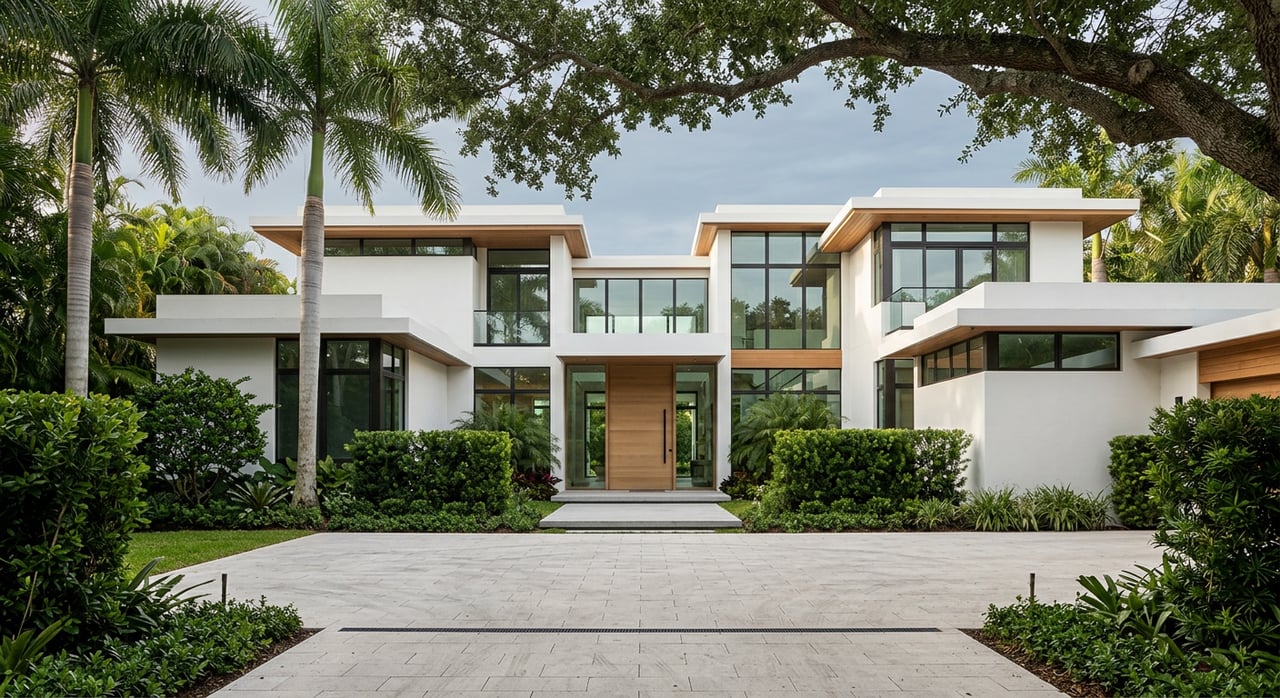
Trying to decide between Pinecrest and Coral Gables for a luxury estate? You are not alone. Both offer world‑class properties, yet they deliver very different day‑to‑day experiences and rules that shape what you can build. In this guide, you will learn how lot sizes, privacy, architecture, walkability and permitting differ, so you can align your estate purchase with your lifestyle and long‑term plans. Let’s dive in.
Snapshot: how Pinecrest and Coral Gables differ
If you value space, privacy and a true estate feel, Pinecrest stands out for its larger lots and mature tree canopy. The Village’s history reflects low‑density, ranch‑lot development that now hosts modern estates and large outdoor programs. You can see this suburban estate DNA in the area’s evolution and planning focus in the Village’s own history overview.
If you prefer a formal, walkable city with a cohesive architectural language, Coral Gables was master‑planned with Mediterranean Revival as a signature style. The city actively protects historic character and landmarks, as outlined on the Historical Resources and Cultural Arts page. You will find estate‑scale pockets such as Gables Estates and Journey’s End, yet many neighborhoods feature smaller, garden‑oriented parcels.
Regulatory contrast matters. Coral Gables leans into design review and defined thresholds for estate privileges, while Pinecrest emphasizes tree protection and provides practical tools to plan around canopy and flood considerations. Understanding these frameworks early helps you avoid surprises.
Lot size, privacy and outdoor program
Pinecrest: bigger parcels and deep privacy
Pinecrest’s development pattern produced larger lots, often from a quarter acre to 1 acre or more, with occasional larger parcels. The Village’s canopy is substantial, supported by an active tree‑preservation program that requires permits for removals and protection of roots during work. For estate buyers, that translates into real shade, privacy and room for expansive outdoor amenities.
On the ground, you will see sprawling yards, long pools, hedged perimeters and space for separate structures. The tree canopy is a practical asset for comfort and stormwater absorption, but it also adds design constraints. Plan for surveys, arborist input and mitigation if you expect heavy landscape changes.
Coral Gables: estate pockets and garden living
Coral Gables offers a broader range of lot sizes. In many neighborhoods, parcels are garden‑scaled compared to Pinecrest, while gated enclaves like Gables Estates and Journey’s End deliver true estate lots, including waterfront. The city’s urban design and historic landmarks program foster formal streetscapes and architectural cohesion.
Privacy in Coral Gables often comes from walled gardens, courtyards and building massing rather than oversized rear lawns. If you want a deep compound with multiple outdoor fields and service areas, you can find it in select enclaves. Across much of the city, you will lean into courtyard design to achieve privacy on more modest footprints.
Architecture and design controls
Coral Gables: formal review and estate definitions
Coral Gables was founded with a Mediterranean Revival vision, and the city still protects that character through historic resources and design reviews. The code explicitly defines a “Residential Estate” category with minimum size and dimensions, and certain accessory structures, like guesthouses, may be tied to that status. The city’s zoning materials and Board process outline how exterior design, placement and landscaping are reviewed. To understand thresholds and permissions, review the city’s historic and design resources and consult the city’s zoning memo excerpt during due diligence.
For buyers, that means two things. First, you gain a high level of architectural consistency across many streets. Second, expect municipal review for exterior changes, including materials and landscape. Build timelines should include this step.
Pinecrest: design flexibility with a strong canopy code
Pinecrest’s architecture is eclectic, with mid‑century ranches, Mediterranean‑influenced homes and many contemporary estates. You will find significant latitude to pursue modern indoor‑outdoor plans and separate structures, provided you respect setbacks, stormwater controls and the Village’s tree‑protection requirements. Tree surveys, root‑protection plans and potential replanting or mitigation are common parts of the permit path.
In practice, Pinecrest often feels friendlier to large outdoor programs that stack uses, such as long lap pools, sport lawns and detached offices or guest suites. Factor tree‑related timelines and costs into your budget from the start.
Daily routines, location and walkability
Coral Gables supports a more pedestrian‑oriented routine. The city’s compact downtown, from Miracle Mile to Merrick Park, brings restaurants, galleries and boutiques close together. Its master planning emphasizes civic landmarks and a connected urban fabric, illustrated by the city’s historic landmarks. Many buyers choose Coral Gables for shorter drives to central Miami neighborhoods and the ability to walk to daily amenities.
Pinecrest functions as a quiet, suburban village. You will likely drive for most errands, and commutes to Downtown or Brickell tend to be longer compared to Coral Gables. The Village offers its own attractions, such as Pinecrest Gardens and community events, and its history page highlights the area’s evolution into a low‑density residential environment. Buyers who want acreage and privacy often accept the trade‑off of more driving.
Flood, trees and other technical checks
South Florida’s low‑lying geography means flood zones and elevation matter. Before you buy, request any existing elevation certificate and review municipal or county flood resources. Pinecrest maintains a flood‑protection page and interactive tools to support planning. You can expect parallel FEMA and County resources for Coral Gables.
Landscape also plays a major role in both municipalities. In Pinecrest, the tree‑preservation program sets clear rules for removals and root protection. Coral Gables reviews landscape and swale conditions during permitting. Build schedules and budgets should anticipate potential tree mitigation, grading and long‑term canopy maintenance.
Buyer program fit: which is right for you?
Choose Pinecrest if your program requires more land and flexible outdoor uses. Larger, deeper parcels make it easier to add a long pool, sport court or detached guest/office pavilion while maintaining privacy. The Village’s permitting framework focuses heavily on trees and drainage, which is manageable with a strong design team.
Choose Coral Gables if you want a formal setting with walkable village life and architectural continuity. You can find estate‑scale lots in select enclaves, and many neighborhoods offer garden‑oriented living with excellent privacy through walls and courtyards. Plan for design reviews that keep projects aligned with the city’s character.
Due diligence checklist for estate buyers
Use this quick checklist to reduce risk and protect your timeline:
- Verify the parcel’s legal lot area, dimensions and zoning through the County folio and GIS. Start with the Miami‑Dade Property Appraiser GIS.
- For Coral Gables, ask if the property qualifies as a “Residential Estate” and request the relevant code excerpts. Review the city’s zoning memo reference early if a guesthouse or other accessory structures are essential.
- Order an ALTA/land survey and a current tree survey that identifies protected trees and root zones. Review Pinecrest’s tree‑protection guidance for permitting triggers.
- Gather any elevation certificates and check municipal flood viewers. Pinecrest’s flood‑protection page outlines resources and best practices.
- In Coral Gables, ask for any past Board of Architects decisions, landscape approvals and prior submittals related to the property. The city’s legislative archive is a helpful starting point.
- Budget for landscape mitigation, tree replacement, swale grading and ongoing canopy maintenance on large lots. These are common fixed costs in both municipalities, especially where mature trees are present.
Bottom line
Both Pinecrest and Coral Gables deliver exceptional luxury estates. Your best choice comes down to lifestyle and program: Pinecrest if you want acreage and private outdoor living, Coral Gables if you prefer a formal, walkable city with structured design oversight. In either case, verify zoning, trees and flood data before you write an offer. A design‑aware approach will save time and protect long‑term value.
When you are ready to refine your brief and tour on‑ and off‑market options, connect with The MGM Team Luxury Real Estate. Schedule a Private Consultation, and our team will guide you through zoning, design review and due diligence with a discreet, concierge process.
FAQs
What defines a Residential Estate in Coral Gables?
- Coral Gables uses a formal “Residential Estate” category in its zoning, with minimum lot size and dimensions. Certain accessory structures, such as guesthouses, may be tied to this status. Review the city’s zoning memo reference and confirm classification before you plan an accessory program.
How do Pinecrest tree rules affect pools and courts?
- Pinecrest requires permits for tree removals and enforces root‑protection zones, which can influence pool placement, sport lawns and grading. Consult the Village’s tree‑preservation guidance and obtain a tree survey early.
Is it easier to build a guesthouse in Pinecrest or Coral Gables?
- It depends on the parcel and code. Coral Gables ties guesthouse allowances to definitions like “Residential Estate,” while Pinecrest allows accessory structures subject to setbacks, stormwater and landscape rules. Confirm permissions with the Coral Gables zoning reference and Pinecrest’s landscape requirements.
How do walkability and commutes differ between the two areas?
- Coral Gables offers a compact, walkable downtown with cultural landmarks and closer access to central Miami neighborhoods, as shown in the city’s historic landmarks overview. Pinecrest is a suburban village with more driving for errands, per its community history.
What should I verify before offering on an estate lot?
- Confirm lot area and zoning via the Miami‑Dade GIS, order ALTA and tree surveys, review flood resources like Pinecrest’s flood‑protection page, and request any Coral Gables Board or zoning documents tied to the address via the city’s zoning memo reference.