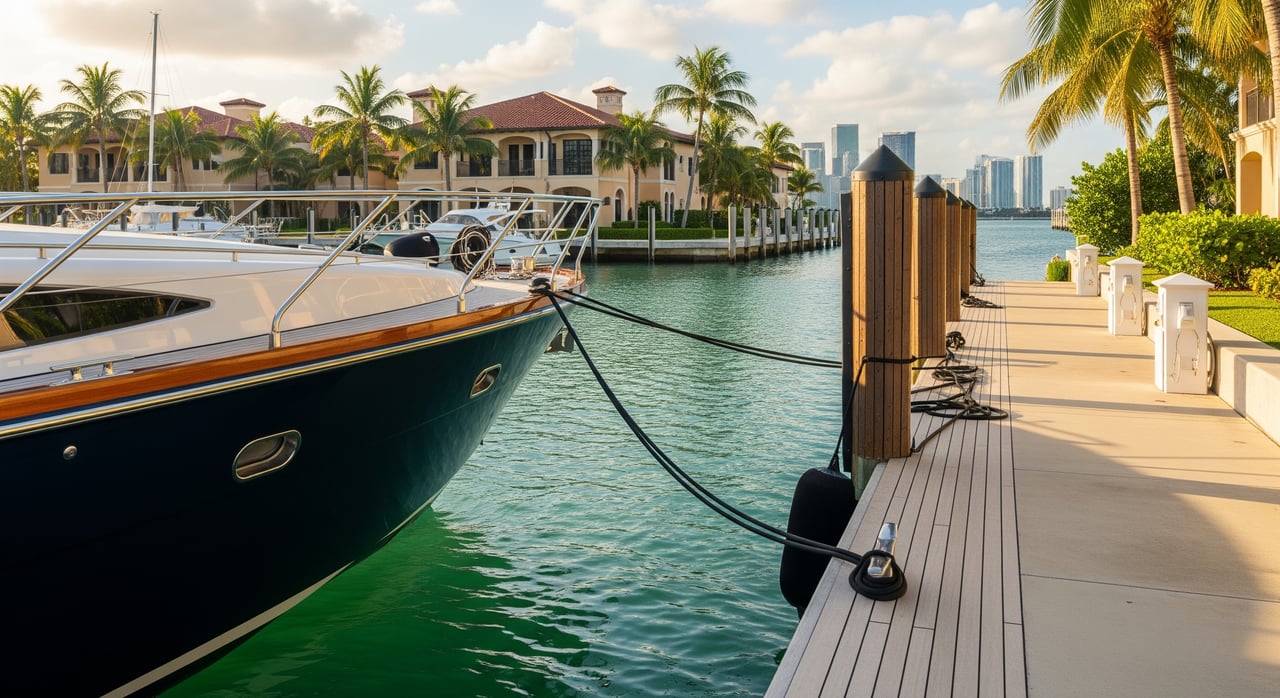
Arriving in Coconut Grove by water feels different the moment Biscayne Bay opens around you. If you are planning slip access for a new residence, scouting transient dockage, or plotting a weekend run through the bay, a little local knowledge goes a long way. In this guide, you will find practical marina options, navigation tips, and rules that protect the bay’s sensitive habitats. Let’s dive in.
Why Coconut Grove works for boaters
Coconut Grove sits on the west shore of Biscayne Bay, minutes from downtown Miami. You can reach open Atlantic routes via maintained channels, with options north and south depending on your vessel’s draft and conditions. The bay is broad and shallow, so planning around tides, shoals, and weekend traffic is essential.
Bottom line: the Grove gives you quick access to Biscayne Bay with urban convenience on shore.
Navigating Biscayne Bay to the Atlantic
Biscayne Bay’s depths shift with tides and weather. Shoaling can change approach depths seasonally, and seagrass flats sit close to marked channels.
- Use NOAA nautical charts for Biscayne Bay to review depths and aids to navigation.
- Check local tide predictions before departure; South Florida’s tidal range is modest but meaningful for draft.
- Review the U.S. Coast Guard’s Local Notice to Mariners for temporary hazards and aid changes.
Speed zones and weekend traffic
Expect congestion on weekends and holidays. Respect no‑wake and slow‑speed areas near shore and bridges, and give paddlecraft wide berth. Follow posted manatee protection zones to avoid fines and protect wildlife.
Marina and dockage options
Coconut Grove offers a mix of municipal dockage, private facilities, and club berths. Policies change frequently, so confirm slip types, shore power, and guest rules directly with each facility.
Dinner Key Marina overview
The City of Miami’s municipal facility serves as the Grove’s primary public marina. For current slip availability, transient reservations, and policies, use the City of Miami’s Dinner Key Marina page.
- Typical services may include city-managed slips, transient dockage, restrooms, and staff support.
- Call ahead for vessel size limits, power pedestals, pump‑out availability, and guest procedures.
Private marinas and clubs nearby
Several private marinas and yacht or sailing clubs operate around Biscayne Bay. Membership, guest reciprocity, and services vary. If you need repair, haul‑out, or specialized shore power, confirm capabilities and lead times in advance.
Transient day docks and reservations
High season and event weekends fill quickly. Use platforms like Dockwa for transient slip reservations, then confirm arrival instructions with the dockmaster. Have your LOA, beam, draft, and insurance details ready.
Moorings, anchoring, and seagrass protection
Biscayne Bay holds sensitive habitats, including seagrass beds and mangroves. Anchoring on seagrass is harmful and may be restricted.
- Use permitted mooring fields or approved anchorages where available.
- Review protections outlined for the Biscayne Bay Aquatic Preserve and follow posted guidance on the water.
- If you must anchor, choose sand patches, verify swing room, and avoid shallow flats that can strand you at low tide.
Fuel, pump‑outs, and no‑discharge etiquette
Pump‑out services are widely encouraged to protect water quality. Some facilities have dockside pump‑outs or mobile pump‑out boats.
- Locate services using FWC’s pump‑out locator and confirm hours in advance.
- Never discharge sewage or oily bilge water in restricted waters; use marina facilities.
- Carry spill pads onboard and keep a tidy fueling routine to avoid sheen.
Safety, permits, and insurance
Florida and federal rules govern safety gear, vessel operation, and documentation.
Florida boating laws and equipment
Check Florida’s rules for PFDs, fire extinguishers, sound devices, and operator requirements. Start with FWC’s guide to Florida boating laws and safety requirements. For federal equipment and guidance, reference U.S. Coast Guard Boating Safety.
Liveaboard and slip policies
Liveaboard allowances, insurance minimums, and waitlists vary by facility. City marinas and private docks set their own lease terms and documentation requirements. If you are buying into a condominium or HOA with a marina, review governing documents for slip transfer rules, fees, and waitlists before you submit an offer.
Hurricane season planning
Hurricane season runs from June 1 to November 30. You should have a written plan and know your marina’s procedures.
- Ask about haul‑out options, hurricane tie‑downs, and secure mooring protocols.
- Store extra lines, chafe gear, fender boards, and spare shackles.
- Book haul‑outs or hurricane reservations early; yards and marinas fill quickly as storms approach.
- Monitor official notices, and follow marina instructions without delay.
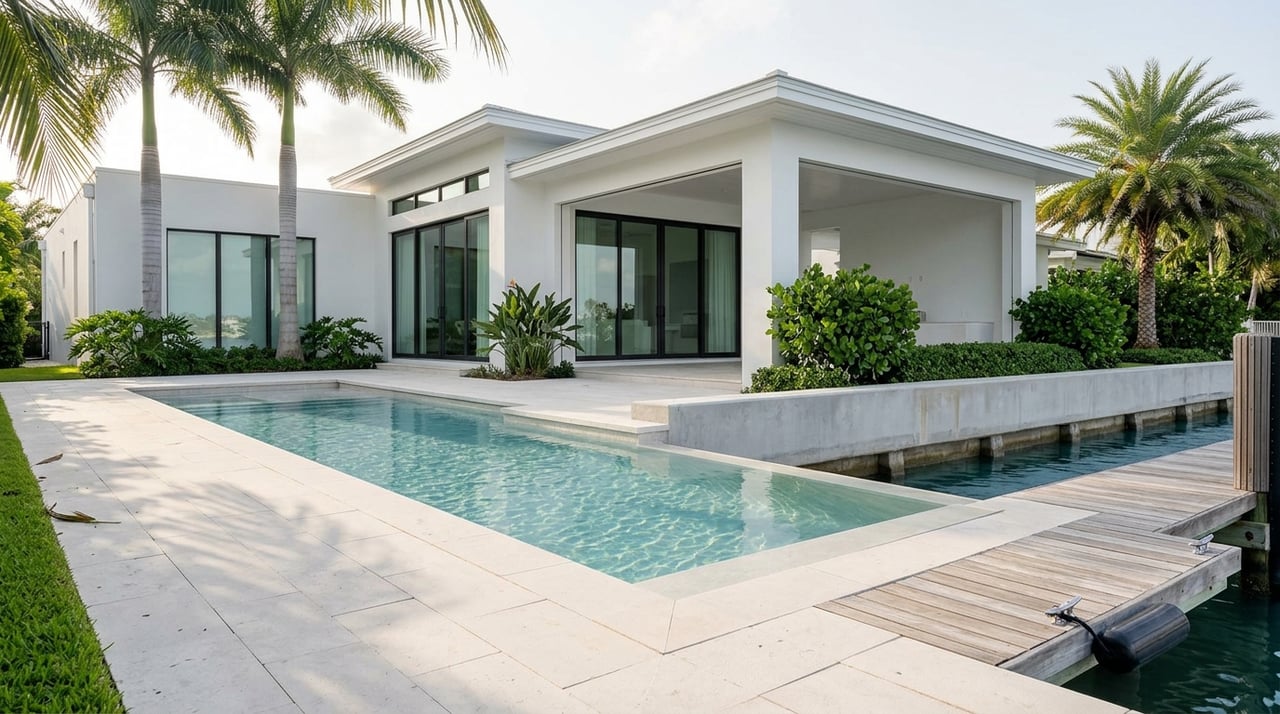
For buyers eyeing Grove waterfront living
If a boat is central to your lifestyle, evaluate dockage early in your property search.
Slip availability and costs
Inventory is limited. Some communities offer deeded slips that transfer with title, while others lease slips by waitlist. Budget for monthly or annual dockage, metered utilities, taxes, and periodic maintenance assessments.
Condo, HOA, and transfer rules
Confirm whether slips are deeded or association controlled, whether leases transfer, and what insurance the association requires for vessels. Verify size limits, shore power specs, and guest policies before closing. A clear understanding of marina rights helps protect long‑term value and enjoyment.
Quick arrival checklist
- Confirm slip or mooring reservation, arrival channel, and VHF procedures.
- Review NOAA charts, tide forecasts, and the Local Notice to Mariners.
- Verify fuel and pump‑out hours; use the FWC pump‑out locator.
- Carry required safety gear per Florida boating rules and USCG guidance.
- Save contacts for on‑water assistance such as TowBoatUS and local emergency numbers.
Whether you are visiting by yacht or planning a move, Coconut Grove offers a seamless boat‑to‑bay lifestyle backed by world‑class urban amenities. If you want a residence that pairs with reliable dockage or a private marina, schedule a confidential conversation with The MGM Team Luxury Real Estate. We help you align property selection with real marina access so your time on the water stays effortless.
FAQs
Where can you dock a visiting yacht in Coconut Grove?
- The City of Miami’s public facility at Dinner Key is the primary option; confirm transient availability on the Dinner Key Marina page or reserve through platforms like Dockwa.
How do you reach the Atlantic from Biscayne Bay near Coconut Grove?
- Use marked bay channels to reach ocean inlets such as Government Cut, and plan with NOAA charts plus the Local Notice to Mariners for any changes.
Are there pump‑outs and fuel near Coconut Grove marinas?
- Yes; several marinas provide these services, but hours vary, so confirm ahead and use the FWC pump‑out locator to plan stops.
Can you anchor off Coconut Grove in Biscayne Bay?
- Anchoring is restricted in some areas, and seagrass beds are protected; use permitted mooring fields or approved anchorages and follow Biscayne Bay Aquatic Preserve protections.
What boating safety gear is required in Florida waters near Miami?
- Requirements depend on vessel type and size; review FWC’s boating safety rules and the USCG Boating Safety checklist before departure.
How should Miami boaters prepare vessels for hurricane season?
- Secure a marina plan early, pre‑stage chafe gear and storm lines, consider haul‑out reservations, and follow official guidance throughout June 1 to November 30.